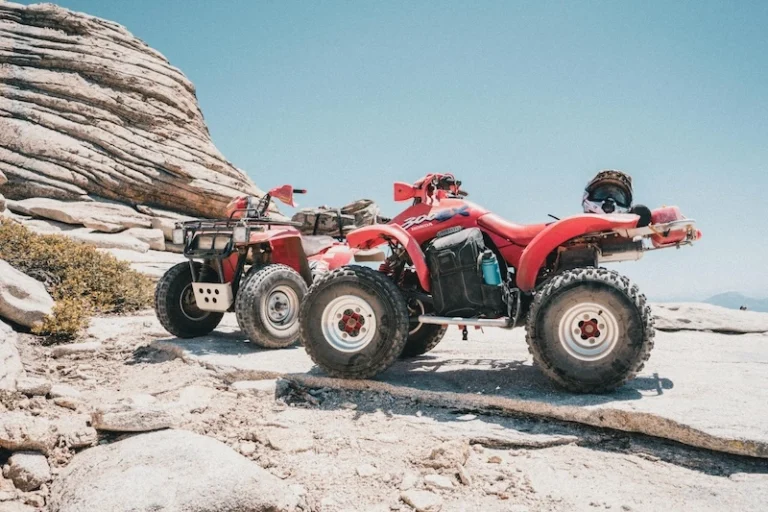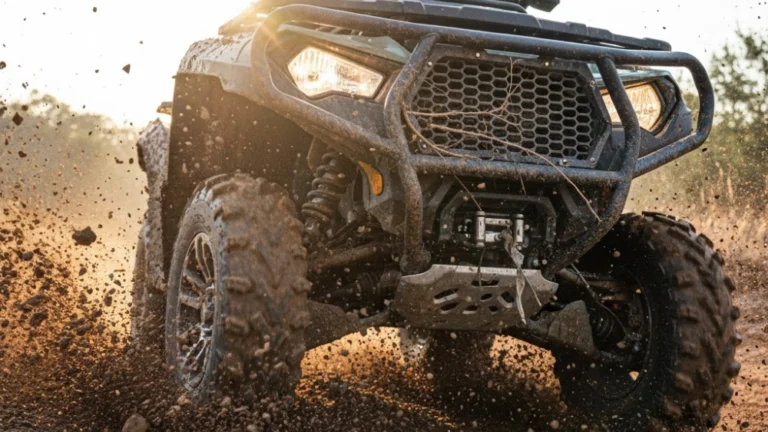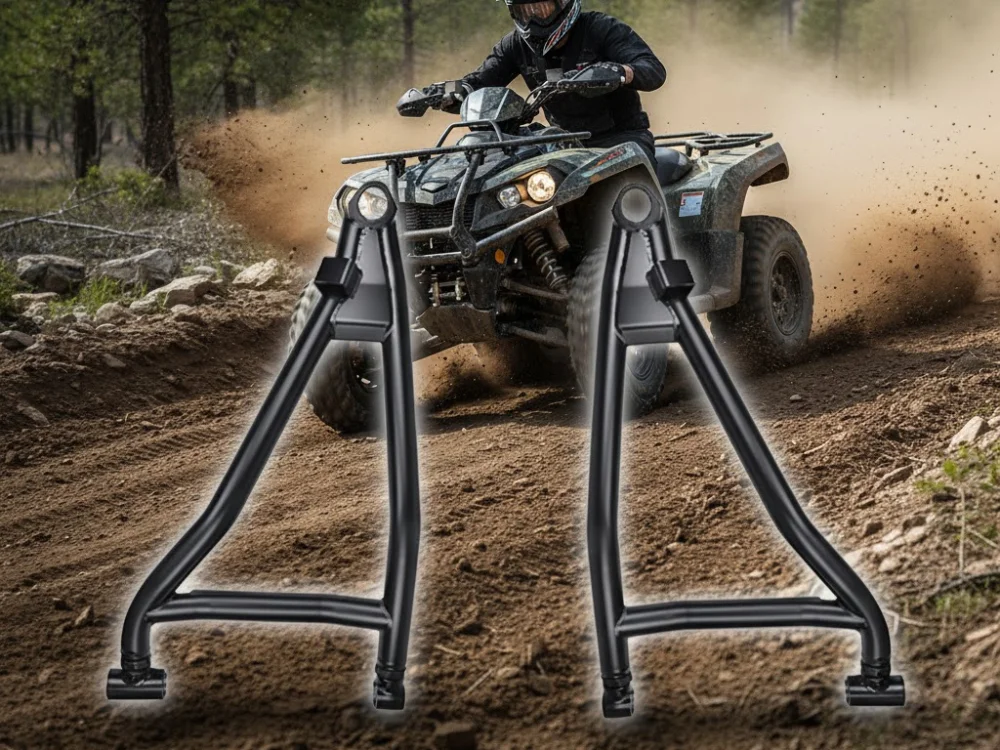
Hitting the trails on your ATV? The A-arm is what keeps your ride smooth and under control. This crucial part connects the wheels to the frame, helping them move up and down as you tackle rough terrain. From rocky trails to muddy paths, the ATV control arm ensures your wheels stay in perfect alignment, giving you stability and comfort throughout the ride.
Function of ATV Control Arm
The ATV control arm is more than just a connecting piece — it’s the backbone of your suspension system. Let’s break down the key functions that make the A-arm so crucial for your ride.
1. Controlling Wheel Movement
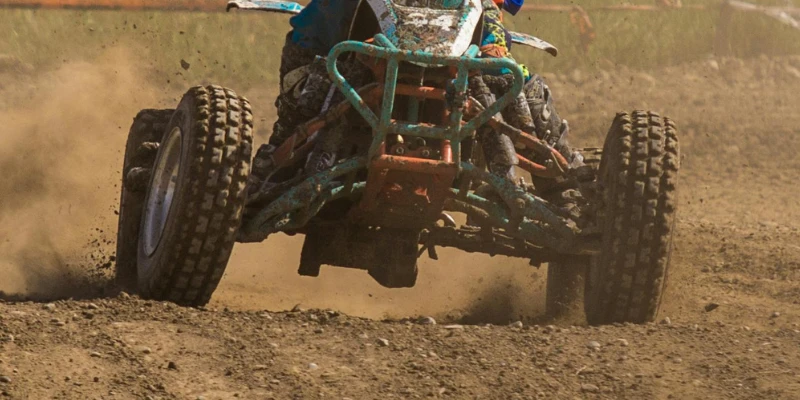
The A-arm’s primary job is controlling the up-and-down movement of the wheels. By allowing each wheel to move independently, it helps absorb bumps and shocks, keeping the ride smooth and reducing strain on the frame.
2. Maintaining Wheel Geometry
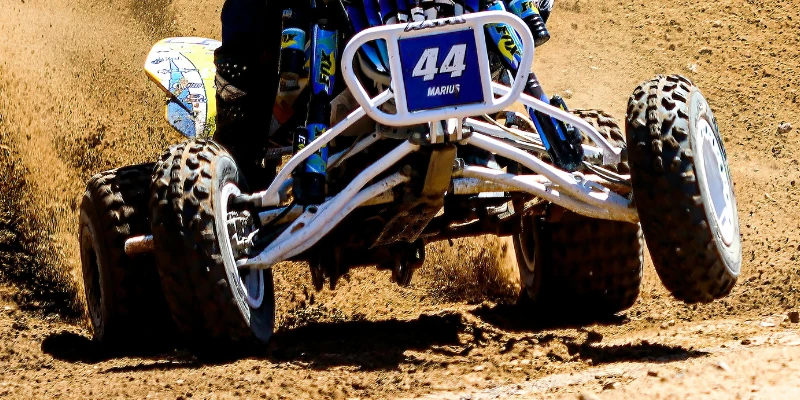
Proper wheel alignment is key to stability, and the A-arm makes sure your wheels maintain their correct angles. This ensures better tire contact with the ground, improving handling and reducing wear on your tires.
3. Enhancing Handling and Stability
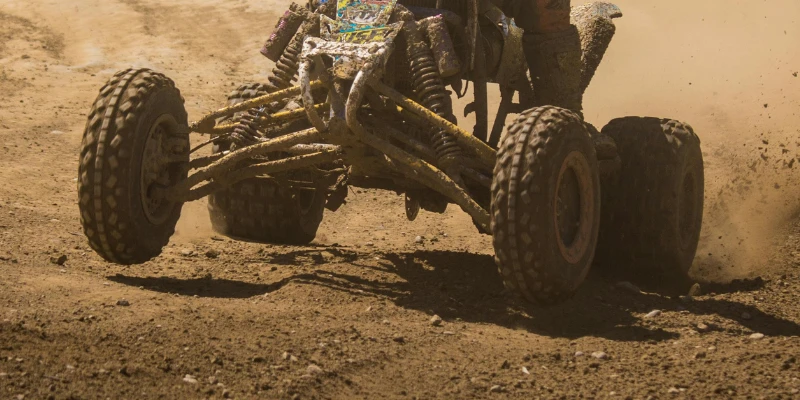
A well-designed A-arm plays a huge role in stability. By controlling the wheel’s motion and geometry, it helps you navigate turns with ease, keeping the ATV steady and balanced, even when riding at higher speeds or through rough patches.
4. Providing Off-Road Capability
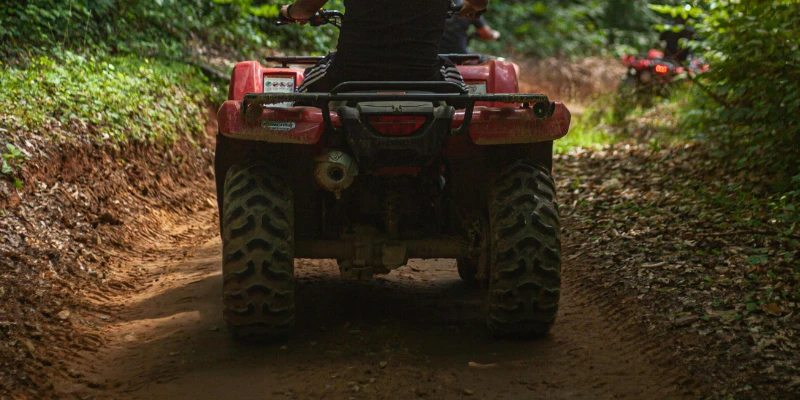
When the terrain gets rough, the A-arm is what helps your ATV conquer obstacles. Its design allows for more suspension travel, giving your wheels the ability to react to bumps, rocks, and uneven surfaces without losing traction.
5. Absorbing Impact
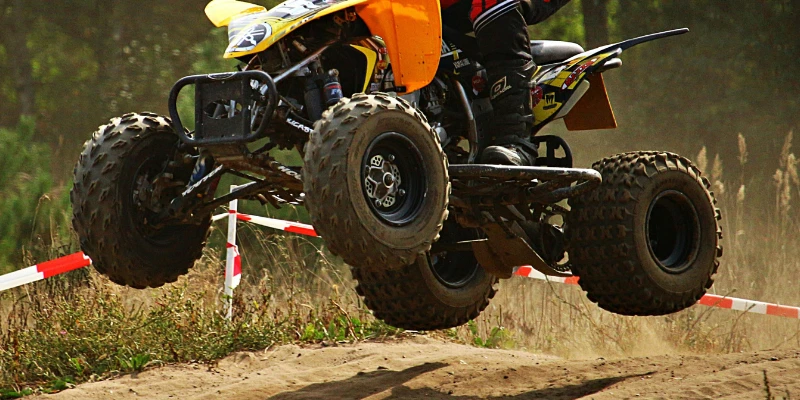
The A-arm helps absorb the shocks and forces from rough terrain. By transferring these forces through the suspension system, it reduces the impact on other components, ensuring a longer lifespan for your vehicle.
6. Supporting Shocks and Springs
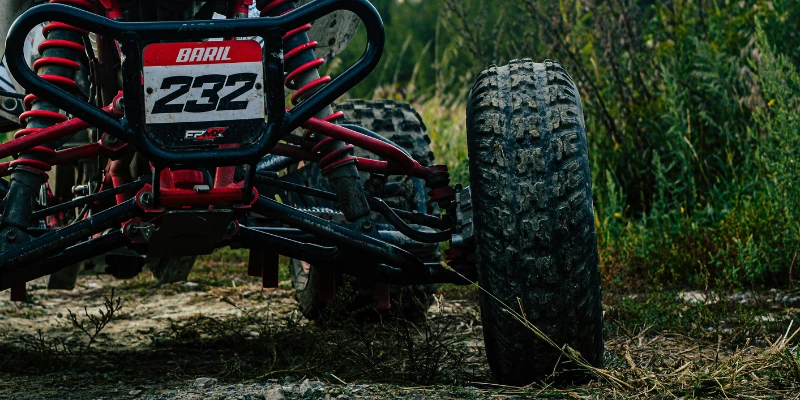
The A-arm doesn’t just control movement — it also provides mounting points for your shock absorbers and springs. These components work together to soak up bumps, keeping your ride smooth and reducing vibrations from rough terrain.
ATV Control Arm Materials
The material impacts everything from performance to durability to overall cost. Whether you’re tackling rough trails or cruising smooth roads, the material choice for your A-arm can make all the difference. Here’s a closer look at the most common materials used in ATV control arms.
1. Carbon Steel
Carbon steel is the go-to material for budget-friendly A-arms, especially in standard ATVs.
Pros:
- Affordable and easy to manufacture, making it great for entry-level vehicles.
- Has good toughness and fatigue resistance, which is perfect for regular off-road riding.
- Easy to weld, so repairs are simple and cost-effective.
Cons:
- It’s heavier than some other materials, which can affect handling and performance.
- Not as strong as chromoly steel, so it may bend under extreme conditions.
Perfect for: Your entry-level ATVs and leisure vehicles looking for a balance between performance and cost.
2. 4130 Chromoly Steel
Chromoly steel, specifically 4130 alloy steel, is the choice for high-performance ATVs and extreme off-road vehicles.
Pros:
- Incredible strength-to-weight ratio, which makes it both strong and lightweight.
- Can handle higher stress from tough off-road conditions, so it’s built to last longer and perform better under tough impacts.
Cons:
- Pricey due to its advanced properties.
- Requires specialized welding, so repairs can be trickier than with regular steel.
Perfect for: Professional ATVs, long-travel race cars, and any vehicle that demands high-performance and durability.
3. Aluminum Alloy
When it comes to lightweight and rigidity, aluminum alloy is a top contender. It’s commonly used in high-performance and race-oriented vehicles.
Pros:
- Lightweight design reduces the unsprung weight, which improves suspension responsiveness and overall agility.
- Corrosion-resistant, making it ideal for riding through wet, muddy, or harsh environments.
Cons:
Its fatigue life isn’t as long as steel, so it may wear out faster over time.
Brittle when subjected to high impacts, meaning it’s more likely to crack than bend. Repairs are difficult.
Perfect for: High-performance race ATVs, track racing models, or any vehicle where lightweight construction is a priority for performance.
| Material | Strength | Weight | Cost | Best For |
|---|---|---|---|---|
| Carbon Steel | Good | Heavy | Low | Entry-level ATVs, leisure vehicles |
| Chromoly Steel | Excellent | Light | High | High-performance ATVs, racing, professional vehicles |
| Aluminum Alloy | Fair | Lightest | High | Racing, performance builds, lightweight vehicles |
ATV Control Arm Types
We can classify ATV control arms into three main types based on their function and design: the upper and lower control arm, the front and rear control arm, and the adjustable control arm. Let’s explore each one in detail.
1. Upper and Lower Control Arm
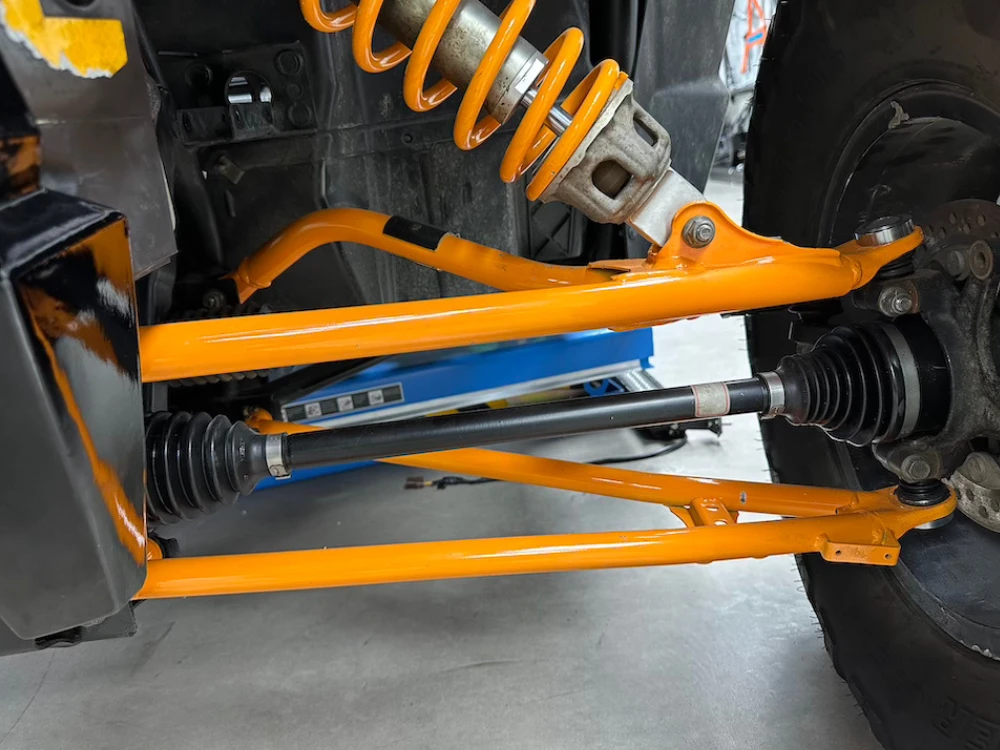
The upper and lower control arms work together to keep your wheels moving smoothly. The upper arm is usually shorter, while the lower arm is longer and supports more weight. Together, they help control the wheel’s vertical motion and alignment, improving handling and stability across rough terrain. This difference in length is crucial for controlling the wheel’s camber gain throughout suspension travel, ensuring optimal tire patch on the ground.
2. Front and Rear Control Arm
The front control arm handles the front wheels, controlling steering and handling, while the rear control arm manages the back wheels, providing support for the suspension. Both arms work in tandem to ensure the wheels maintain proper alignment, whether you’re turning or cruising through bumps.
For the rear control arm, in addition to the A-arm, two other common options are the trailing arm and radius arm.
3. Adjustable Control Arm
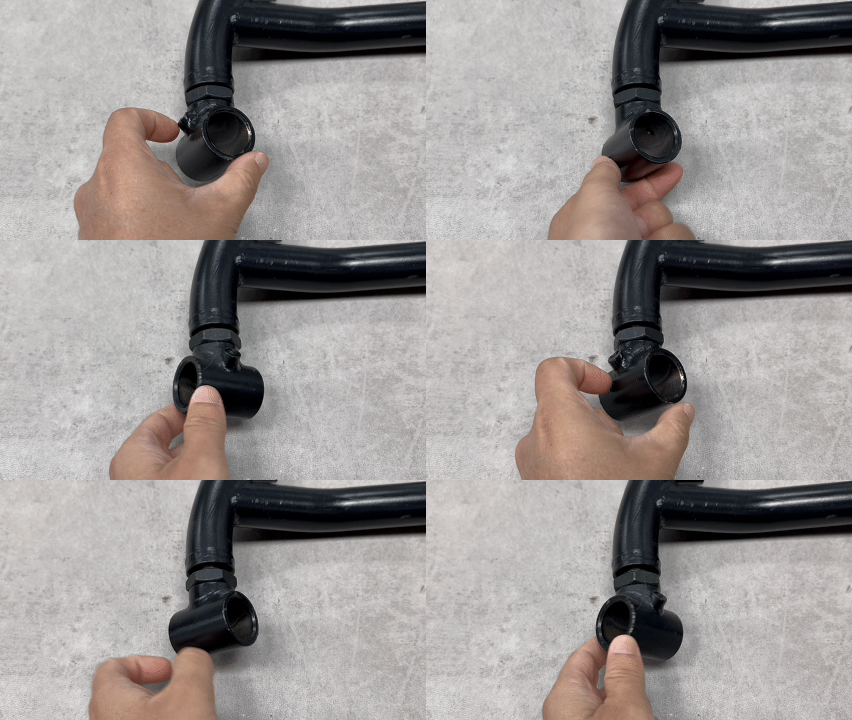
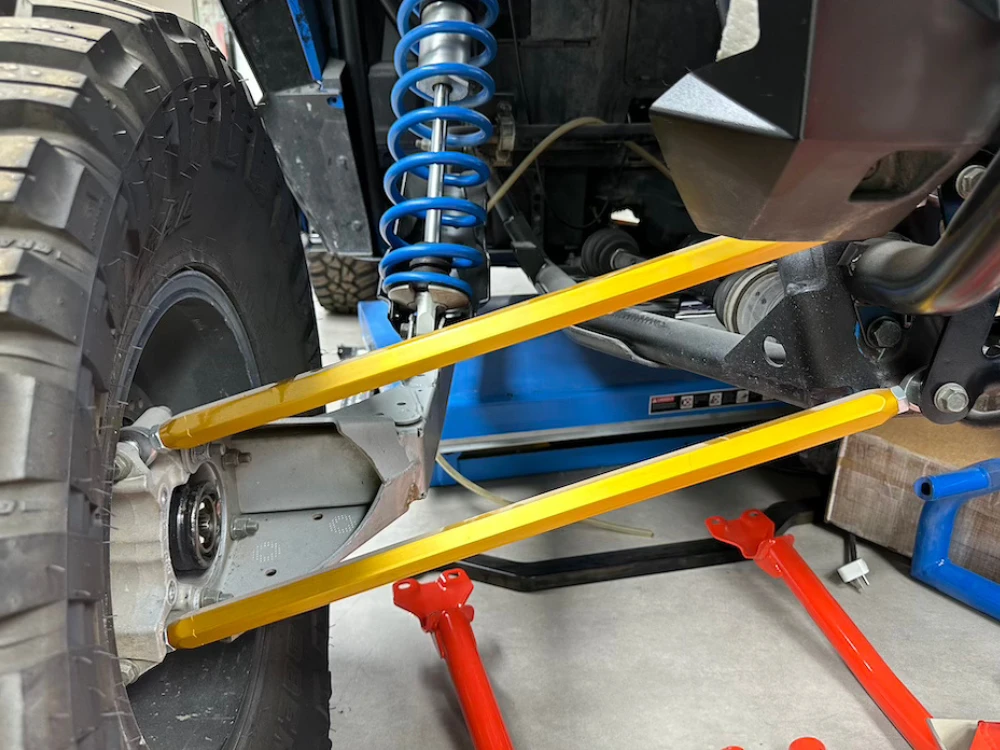
Adjustable control arms feature adjustable pivot blocks, allowing riders to fine-tune the wheel’s camber. This customization helps improve handling and performance, especially on rough terrain. Plus, it makes room for larger tires, providing extra ground clearance and better traction, making it a great option for those looking to upgrade their ATV for specific riding conditions.
ATV Control Arm Components
Now, let’s take a closer look at the components that make these A-arms work. These parts are critical for smooth operation and performance, from ensuring proper movement to providing support for other suspension elements.
1. Pivot Blocks
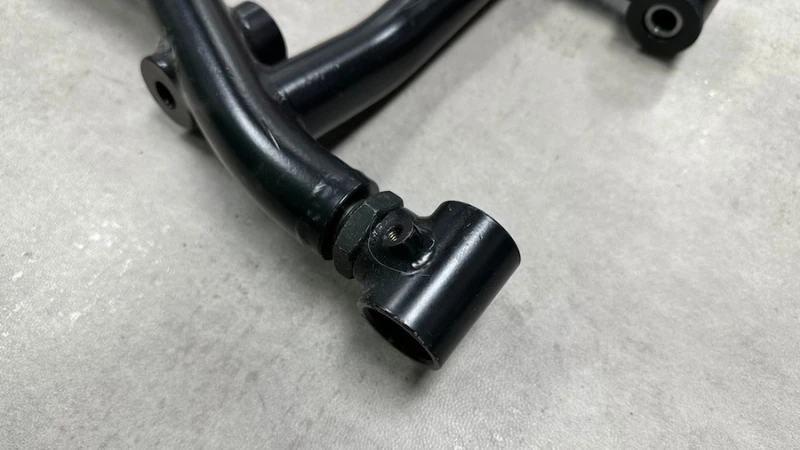
Pivot blocks are the heart of the A-arm connection. They’re located at the end of the A-arm, where the mounting bolts pass through. These blocks pivot on those bolts, allowing the A-arm to move freely in relation to the frame. Depending on the model, you might find one or two bolts holding them in place, but either way, pivot blocks are designed to keep everything moving smoothly.
2. Pivot Bushings
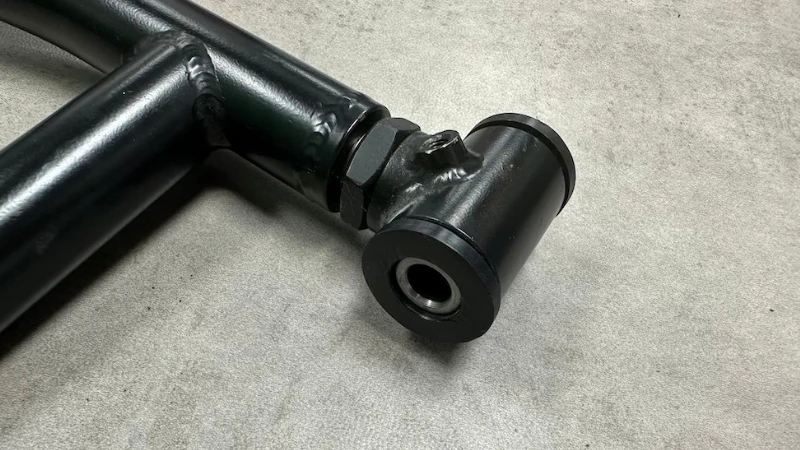
The pivot bushings are either plastic or metal sleeves that sit inside the pivot blocks. These bushings allow for smooth, friction-free movement of the A-arm. Over time, they can wear out, and when they do, you’ll notice some play in the A-arm when you pull on it (especially when the vehicle is lifted). Keeping these bushings well-maintained with grease will help prolong their life and keep your ATV’s suspension working like it should.
3. Ball Joints
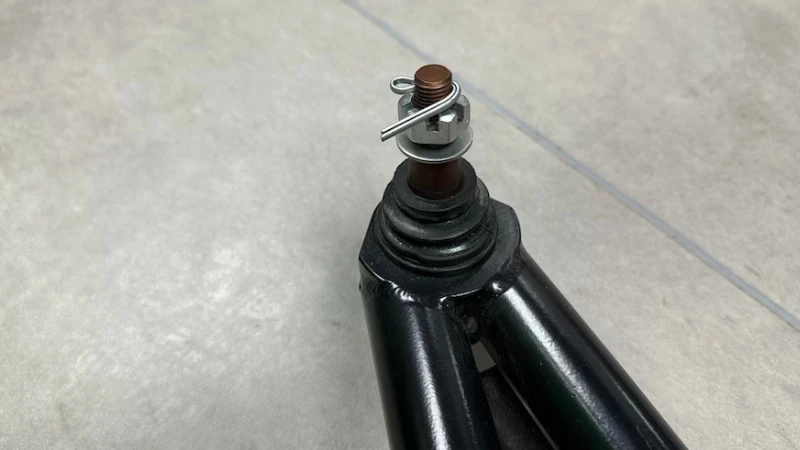
Ball joints are found on the upper and lower A-arms and act as the link between the A-arm and the spindle on the wheel. They allow the wheel to move up and down while staying aligned with the trail. Over time, these joints wear out or get damaged, especially if you take hard hits while off-roading. Replacing ball joints at the right time is key to keeping your suspension tight and responsive.
4. Shock Mounts
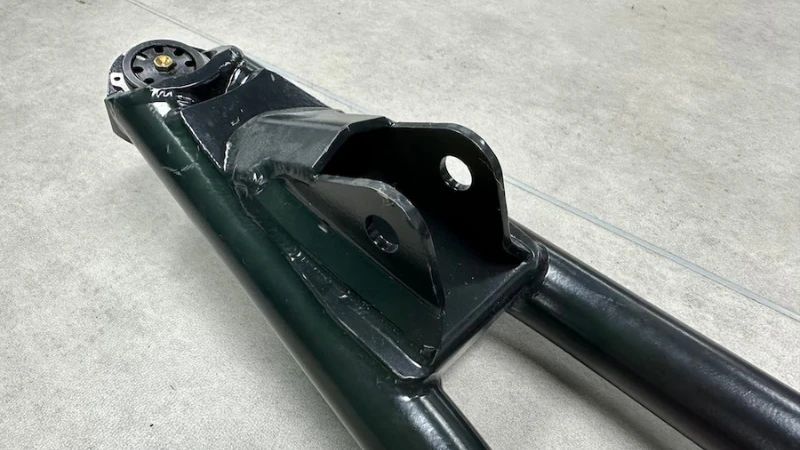
Shock mounts are exactly what they sound like – the points where your shock absorbers are attached to the A-arm. Depending on the design of your ATV, these mounts can be on either the upper or lower A-arm. They need to be strong and well-reinforced because they handle a lot of stress from the suspension’s movement. Proper maintenance of shock mounts ensures that your shocks stay secure and function properly during rides.
5. Sway Bar Mount
Not every ATV has a sway bar mount, but if yours does, it plays a crucial role. This mount connects the sway bar to the A-arm, helping to link the left and right sides of the suspension. By doing this, it helps prevent body roll and ensures that both sides of the suspension work together smoothly. The sway bar also helps manage how your ATV reacts after bumps or compression, preventing it from rebounding too harshly.
Conclustion
The ATV control arm is essential to a smooth ride, from handling rough terrain to providing stability and performance. By understanding its different types, materials, and components, you’re better equipped to choose the right setup for your ATV needs. If you’re looking to upgrade or maintain your ATV, check out our full range of ATV/UTV parts to find the perfect components for enhancing your vehicle’s performance and durability.