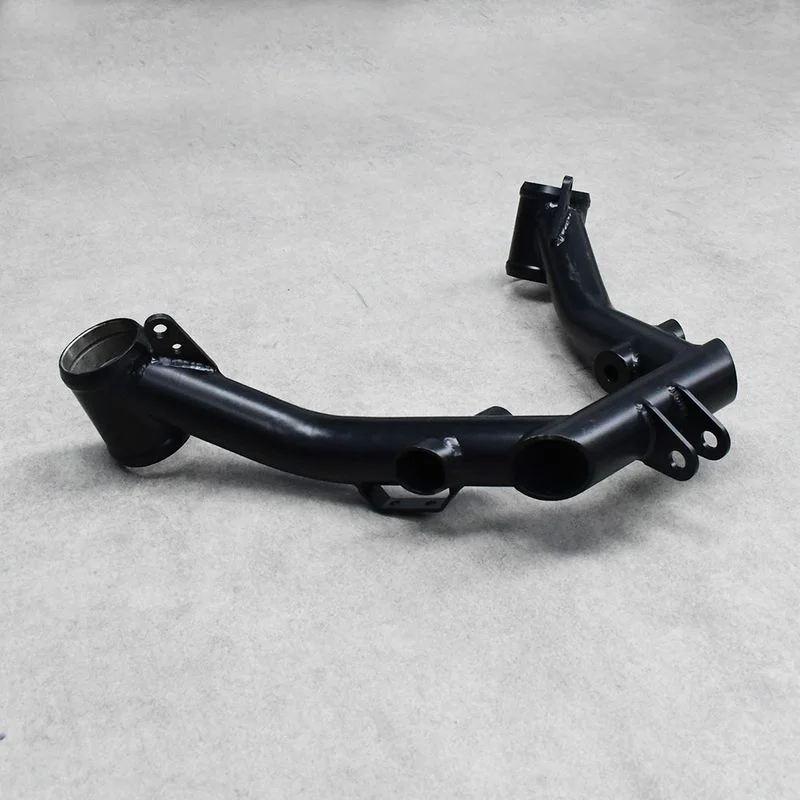
Upper A-Arm

Maverick X3 Front Upper A-Arm
For 72 in Can-Am Maverick X3 | Front upper left and right
TIG-welded 4130 chromoly steel tubing with matched ball joints and bushings for a complete upper arm program.
Wholesale Aftermarket Parts & Accessories for ATV/UTV, Off-Road
SYZ Machine is an A-arm manufacturer for ATV, UTV, SXS and side-by-side control arms programs, supplying custom 4130 chromoly upper and lower A-arms for off-road, racing, and performance suspension brands. Build your control-arm range with TIG-welded tube arms, matched ball joints, bushings, rod ends, high-clearance geometry, finish options, and retail-ready packaging.
These examples show ATV control arms, ATV upper A-arms, custom upper control arms, custom lower control arms, side-by-side A-arms, SXS control arms, custom A-arms, and related suspension component programs that can be reviewed for distributor, brand, and custom replacement ranges. Confirm model year, trim, geometry, and interface dimensions before sampling.
TIG-welded 4130 chromoly steel tubing with matched ball joints and bushings for a complete upper arm program.

Lower control-arm reference using TIG-welded 4130 chromoly tubing, ball joints, and bushings for high-load front suspension positions.

Representative upper control-arm program with 4130 chromoly tube construction and coordinated wear components.

Lower arm reference for RZR Pro XP programs. Confirm exact trim, suspension package, mounting points, and clearance requirements.

Useful reference for programs where ground clearance, axle protection, and obstacle avoidance are key design targets.
Custom lengths, mounting types, high-strength steel or chromoly material, anti-corrosion finish, logo, and packaging can be reviewed.
The upper arm connects the upper wheel hub or knuckle interface to the chassis. In high-clearance UTV builds, upper arm geometry can influence wheel travel angle, joint angle, and clearance around the shock, tire, and chassis.
The lower arm usually carries more suspension load. A stronger lower arm, such as a 4130 chromoly tube design with a suitable wall thickness, helps resist deformation from impact, landing load, and hard cornering.
For custom upper control arms and custom lower control arms, define the arm position first. Then confirm clearance, travel, bushing width, ball-joint interface, and service parts as a matched suspension set.
After the target upper or lower arm position is clear, the next step is defining the complete suspension requirement. A properly specified control arm connects the chassis-side pivots to the wheel-side hub or steering knuckle, controls wheel movement through the suspension arc, and must work with the shock, axle, wheel offset, ball joint, bushing, and steering geometry. For UTV, ATV, SXS, side-by-side, and custom automotive control arms supplier programs, arm shape, tube layout, joint angle, bushing width, ball-joint taper, and clearance are reviewed together before sampling.
SYZ Machine can manufacture to approved drawings, CAD data, jig dimensions, physical samples, or OE references. For custom high-clearance or long-travel programs, final fitment and vehicle-level validation should be confirmed on the exact platform.
Use this manufacturing scope to define construction options before sampling. Final choices depend on the application, geometry, material, finish, service-part strategy, and commercial requirements.
4130 chromoly and DOM steel tube programs can be reviewed with 0.095, 0.120, and 0.156 inch wall references where suitable for the design.
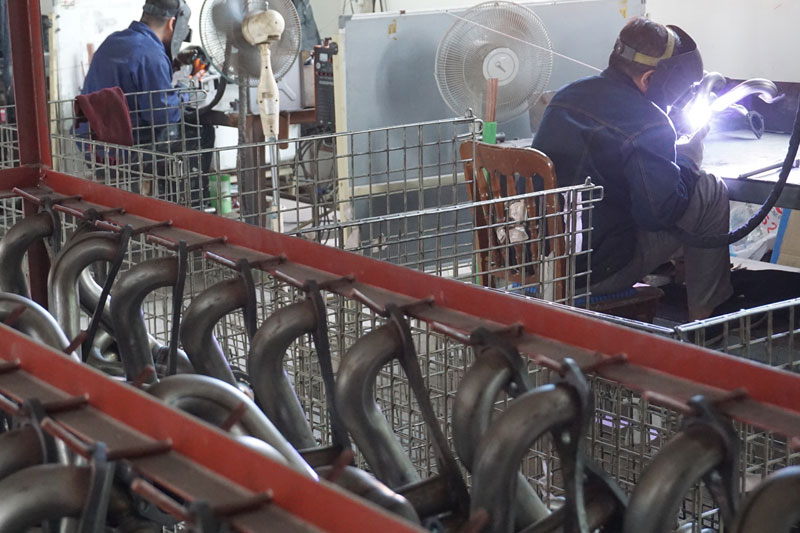
Tube cutting, bending, curve cutting, wire cutting, jig control, and fixture-based assembly support repeatable arm geometry.
Welded assemblies can be checked for dimensional accuracy, weld appearance, mounting points, and batch consistency before shipment.
Arms can be quoted with ball joints, rod ends, spherical bearings, UHMW or polyurethane bushings, spacers, brackets, and hardware.
For custom A-arms and ATV control arms, controlled inputs help the project move from sample review to repeatable geometry, kit contents, finish, packaging, and shipment requirements.
Share CAD, drawings, OE references, sample photos, target ATV upper A-arms or lower arm position, mounting dimensions, material preference, and order quantity.
Review pivot spacing, ball-joint taper, bushing width, rod end or spherical bearing options, the 0.120 in wall reference, and a 1/8 in DOM steel option where suitable.
After sample approval, TIG-welded tube construction, fixture checks, finish color, labels, packaging, and matched hardware can be prepared for batch orders.
After geometry and kit contents are confirmed, production moves through controlled material selection, cutting, bending, fixture setup, welding, finishing, and inspection.
Choose 4130 chromoly, DOM steel, high-strength steel, aluminum, or other options based on approved strength, weight, weldability, finish, and budget targets.
Tube dimensions, bend positions, cut angles, and profile details are controlled from drawings, CAD, jig data, or approved samples.
Jig and fixture control supports repeatable geometry, while TIG welding is used for clean welded assemblies in chromoly control-arm programs.
Standard black or custom colors can be discussed with corrosion-protection, branding, and batch appearance requirements.
Arms are checked for key dimensions, weld appearance, mounting interfaces, kit contents, label requirements, and shipping readiness.
For custom control arms, buyers often need more than one process. The program may involve tube cutting, tube bending, curve cutting, wire cutting, welding, jig control, and final inspection before parts are packaged with service components.
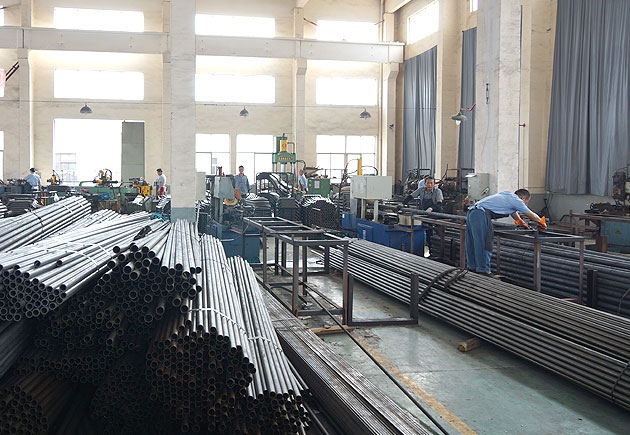
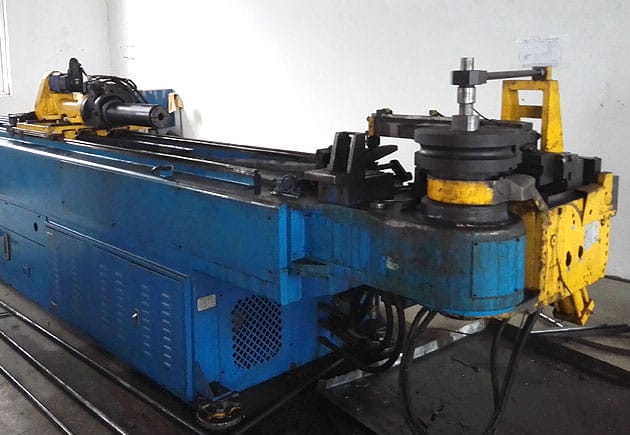
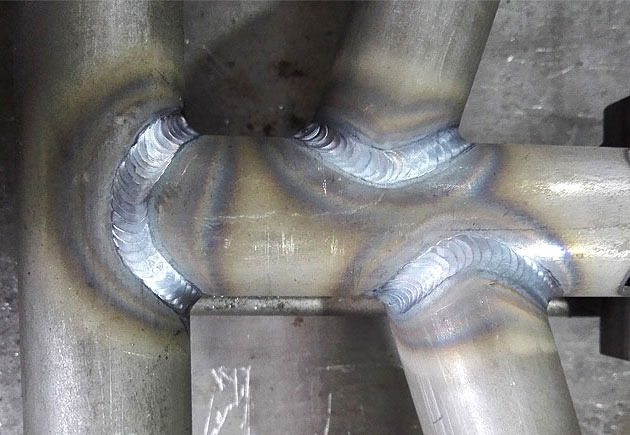
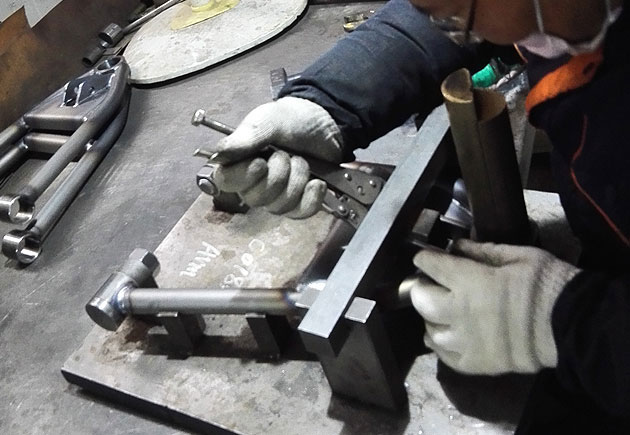
A control-arm program is easier to install, service, and sell when the wear parts and linkage hardware are defined together with the welded arm.
| Component | Available Program Notes | Why It Matters |
|---|---|---|
| Ball Joints | 4130, 4340, and 300M ball-joint references; Can-Am, Polaris, CFMOTO, Honda, Yamaha and custom sizes can be reviewed. | Controls articulation at the knuckle interface and directly affects steering response, suspension travel, and service life. |
| Bushings | UHMW, rubber, polyurethane, and custom-engineered bushing options for ATV/UTV suspension systems. | Supports controlled movement at the pivot while reducing play, noise, vibration, and wear. |
| Rod Ends & Spherical Bearings | 4130, 4340, stainless steel, bearing steel and custom linkage hardware can be paired with arm or rear suspension kits. | Useful for adjustable linkages, racing suspension, radius rods, and custom conversion programs. |
| Spacers & Hardware | Spacers, brackets, mounts, jam nuts, inserts, tube adapters, and mounting hardware can be developed as matched kit contents. | Reduces mismatch risk and makes distributor kits easier to package, stock, and support. |
| Finish & Packaging | Powder-coated black or custom colors, corrosion-resistant finishes, logo, carton labels, barcode and retail kit packaging. | Supports brand programs where the part must be production-ready and shelf-ready, not only technically correct. |
When your control-arm range also needs ball joints, rod ends, spherical bearings, or bushings, SYZ Machine can review the connected service parts as part of the same supply program.
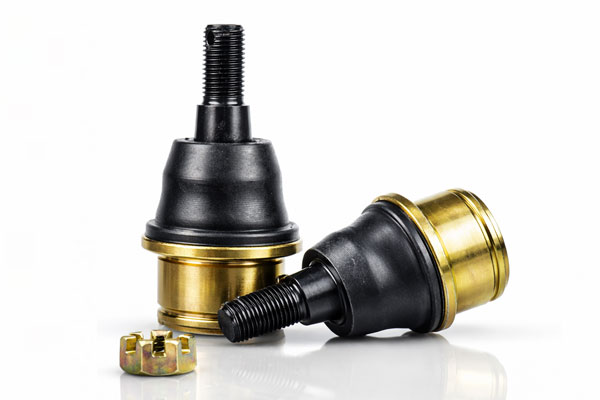
4130, 4340, 300M and platform-specific ball-joint references can be reviewed for Can-Am, Polaris, CFMOTO, Honda, Yamaha and custom sizes.
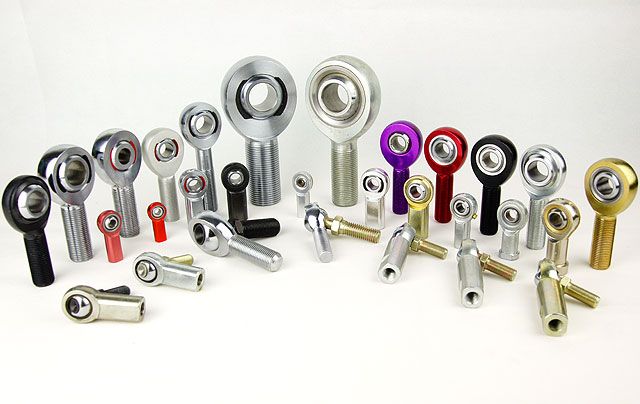
Rod ends, heim joints, spacers, jam nuts and linkage hardware can support adjustable suspension, radius rod and custom control-arm programs.
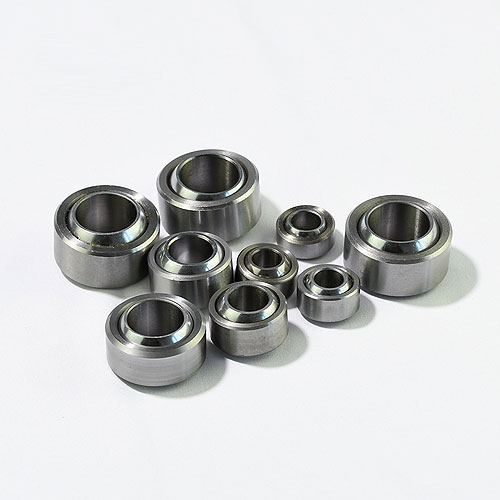
Steel, stainless steel and custom bearing options can be matched to the expected load, movement, corrosion exposure and service interval.

UHMW, rubber, polyurethane and custom bushing kits can be coordinated with pivot width, sleeve size, hardware and packaging requirements.
The goal is to give your team a repeatable, serviceable, and market-ready control-arm range, not just a one-off welded sample.
Develop from drawings, CAD, jig data, OE references, or physical samples, including custom lengths, mounting types, and high-clearance shapes.
Review chromoly, DOM steel, high-strength steel, aluminum, and wall-thickness options against the project requirement.
Coordinate ball joints, bushings, rod ends, spherical bearings, spacers, and hardware so the kit is easier to assemble and sell.
Powder-coated color, logo, carton labels, retail packaging, catalog information, and bulk-order planning can be built into the program.
Use these answers to prepare a more accurate request and avoid fitment mistakes.
Control arms allow the suspension to move vertically while connecting the chassis to the wheel assembly or steering knuckle. They help maintain tire contact, alignment, and vehicle stability as the suspension moves over uneven terrain.
In many front suspension systems, an A-shaped control arm is commonly called an A-arm. The correct design still depends on the vehicle layout, mounting points, ball-joint interface, bushing dimensions, and intended travel.
It depends on the suspension configuration. Rear trailing arms can function as control arms in some layouts, while front suspension usually uses A-arm geometry. Confirm the exact platform before ordering.
Common signs include clunking or popping over bumps, steering instability, wandering, uneven tire wear, excessive vibration, visible bending, cracked welds, worn bushings, or loose ball joints.
The front suspension uses a dual A-arm configuration on the left and right side. Rear suspension layout depends on the model and package, commonly using radius rods or trailing-link components. Always confirm the exact trim and year.
The front suspension uses upper and lower A-arm positions, while the rear layout uses radius rods and related links depending on the model and trim. For quotation, send the exact model, width package, year, and target component list.
Replacement should be based on inspection and use conditions, not mileage alone. Off-road components should be checked regularly for bends, cracks, worn bushings, ball-joint play, corrosion, and impact damage.
Yes. SYZ Machine can supply or coordinate matched ball joints, bushings, rod ends, spherical bearings, spacers, and hardware based on your requested kit contents.
Yes, when the geometry, travel target, clearance needs, and interface dimensions are provided. CAD data or a complete sample set is strongly preferred for non-standard suspension geometry.
Send the vehicle platform, model year, trim, arm position, drawings or sample photos, pivot spacing, ball-joint taper, bushing width, material, wall thickness, finish, quantity, packaging needs, and target market.
Share the target vehicle, arm position, drawings or sample photos, material, finish, kit contents, and quantity. When project details are complete, our target response is within 24 hours.