
Bump Steer
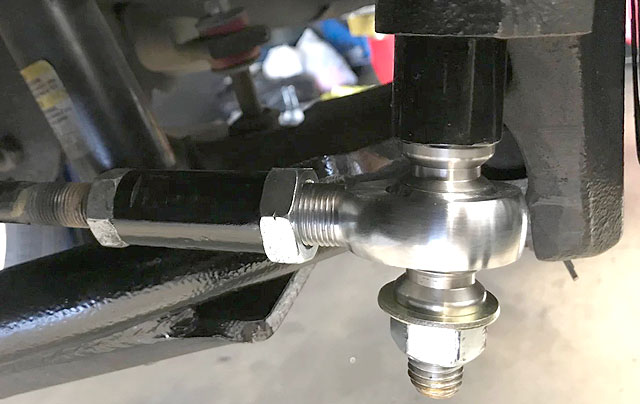
Bump Steer Kit Components
Rack, knuckle, taper, spacer and thread data required
Custom steering correction hardware for approved drift, racing, and performance steering layouts. Developed by drawing, sample, or measured application data.

Wholesale Aftermarket Parts & Accessories for ATV/UTV, Off-Road
SYZ Machine manufactures the components behind custom drift suspension programs: bump steer kit parts, rod ends, steering rack tie rod assemblies, chassis linkage replacements, control arm components, spherical bearings, tube adapters, couplers, spacers, and CNC-machined hardware.
A drift suspension program is more than a set of replacement parts. Steering angle, tie rod length, rack location, knuckle interface, control arm position, wheel offset, articulation angle, and service access all influence the final component package.
SYZ Machine focuses on manufacturing the hardware to your approved design data. Send drawings, CAD files, samples, or measured reference parts, and we can quote the rod ends, links, adapters, spacers, ball joints, spherical bearings, and CNC parts needed for your program.
These product groups show the manufacturing scope most often discussed for custom drift suspension programs, including rod ends, linkage hardware, control arms, spherical bearings, tie rod assemblies, and CNC-machined suspension parts.
Custom steering correction hardware for approved drift, racing, and performance steering layouts. Developed by drawing, sample, or measured application data.
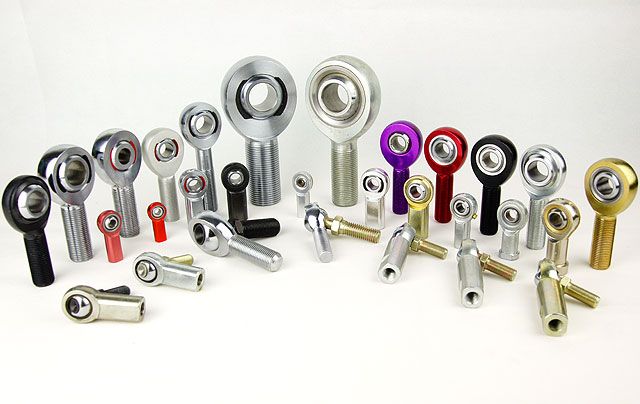
Inch and metric rod ends for steering links, control arms, chassis links, and adjustable assemblies. Material and liner options can be matched to the application.
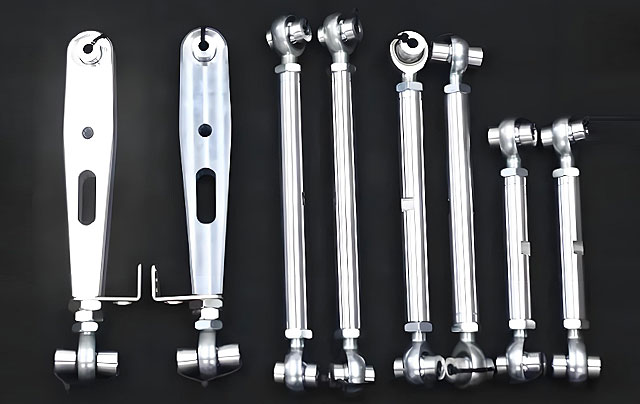
Replacement and upgrade link assemblies for chassis, suspension, and steering programs where dimensions, mounting width, thread, and finish are controlled.
CNC-machined components for drift suspension hardware, steering conversion parts, and custom motorsport assemblies based on approved production drawings.
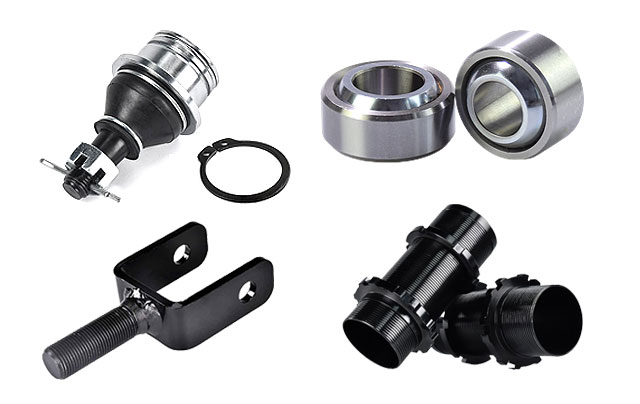
Spherical bearings, high-misalignment bearings, and bearing-based joint solutions for suspension points that need controlled angular movement.
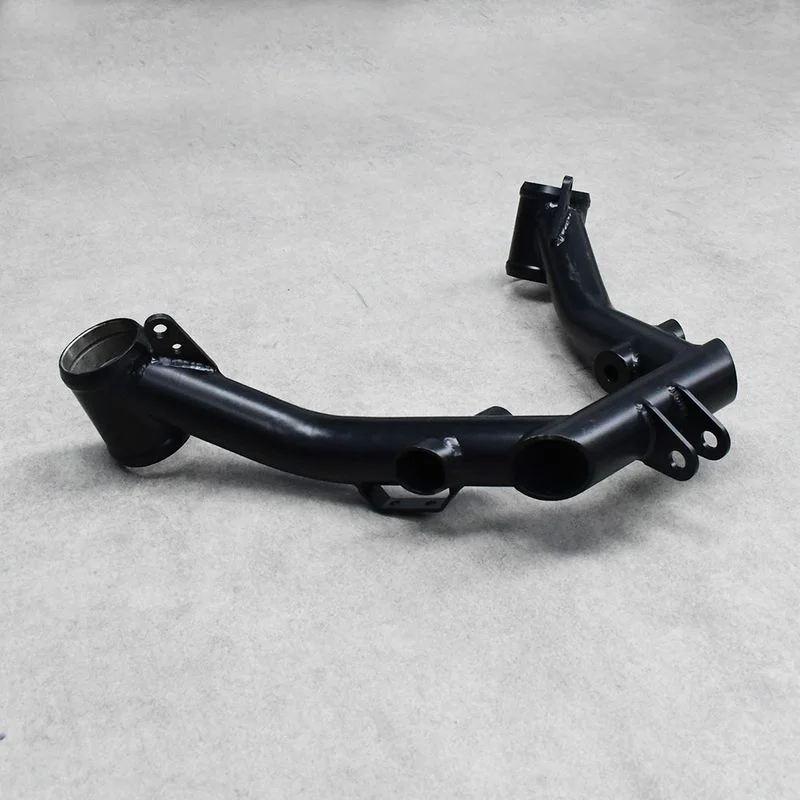
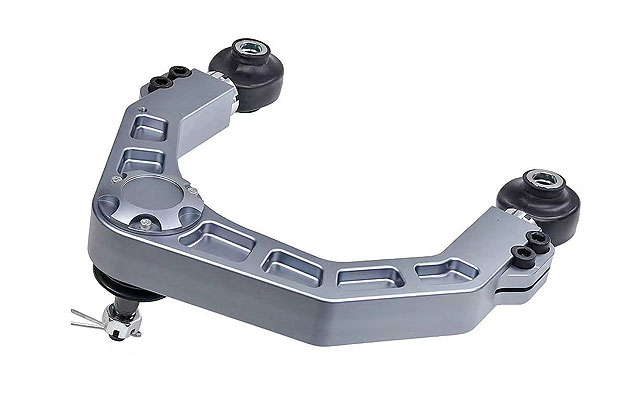
Control arm upgrades and component manufacturing for performance vehicle programs, with design, size, finish, and packaging support.

Complete tie rod assembly support for custom steering layouts and replacement programs where steering strength and service consistency matter.
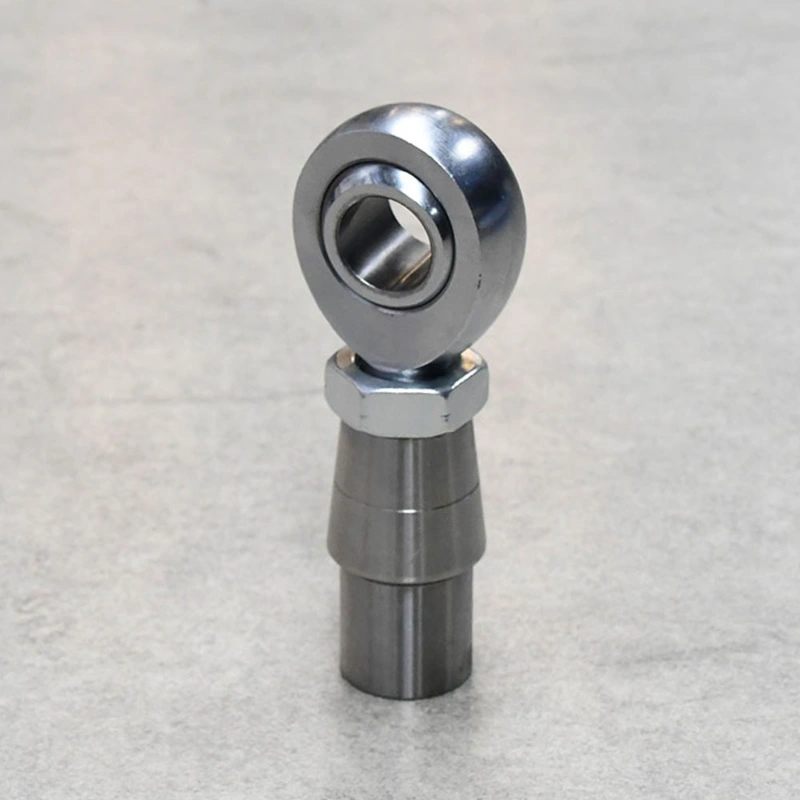
Coordinated linkage hardware helps purchasing teams reduce mismatch risk when assembling adjustable arms, steering links, and chassis rods.
The following vehicle families are useful references for drift suspension inquiries. They should be treated as project discussion examples, not universal bolt-on fitment claims. Final compatibility depends on the exact chassis, year, modification level, steering rack, knuckle, hub, wheel package, and approved dimensions.
| Japanese Platforms | US / European Platforms |
|---|---|
| Nissan 240SX S13 / S14 / S15, 350Z, 370Z | Ford Mustang S197 / S550, Focus ST, Fiesta ST |
| Toyota AE86, GT86, GR86 | Chevrolet Camaro 5th / 6th Gen, Corvette C5 / C6 / C7 |
| Honda Civic EG / EK / FD / FK | BMW E30 / E36 / E46 / E90, E82 135i, F22 M235i, M2, Z4 |
| Mazda RX-7 FC / FD, RX-8 | Porsche 911, 996, 997, 991 |
| Subaru BRZ | Mercedes-Benz C-Class / CLK, Audi A4 / S4 / RS4 |
| Lexus IS300, GS400, SC400 | Dodge Challenger and other custom performance builds |
Custom drift parts often interact with modified knuckles, relocated racks, extended lower arms, coilover conversions, changed wheel offset, and wide-angle steering setups. Confirming dimensions before production prevents fitment assumptions.
These model groups come from the SYZ drift page content and are useful for steering links, suspension arms, chassis links, and adjustable assemblies. Special sizes can be reviewed for custom manufacturing.
| Series Reference | Inch Sizes Listed | Metric Sizes Listed | Typical Drift Program Use |
|---|---|---|---|
| XM / MXM male and XF / MXF female | 3/8, 7/16, 1/2, 5/8, 3/4, 7/8, 1 1/4, 1-14, 1-12, 1 1/2, 1 3/4, 2-12 | M6, M8, M10, M12, M14, M16, M18, M20, M22, M24, M30, M36, M42, M48, custom | Broad custom linkage and steering applications requiring inch or metric thread support. |
| JMX / JMX-M male and JFX / JFX-M female | 3/8, 7/16, 1/2, 5/8, 3/4, 7/8, 1 1/4, 1-14, 1-12 | M6, M8, M10, M12, M14, M16, M18, M20, M22, M24, M30, custom | Motorsport and heavy-duty linkage programs where 3-piece rod end construction is preferred. |
| SCM / SCM-M male and SCF / SCF-M female | 3/8, 7/16, 1/2, 5/8, 3/4, 7/8, 1 1/4 | M6, M8, M10, M12, M14, M16, M18, M20, custom | Compact rod end programs, light linkage points, and controlled custom assemblies. |
| PCYM male and PCYF female | 3/8, 7/16, 1/2, 5/8, 3/4 | Custom metric sizes available for special requests | High-misalignment style linkage programs where joint angle and packaging require review. |
Drift parts usually see high steering angle, repeated impact, vibration, heat, contamination, and frequent service. A clear specification keeps the part buildable, inspectable, and repeatable.
Confirm required misalignment angle, bearing clearance, spacer width, articulation direction, and whether PTFE-lined, metal-to-metal, or rebuildable joint behavior is needed.
Specify male or female body, RH or LH thread, pitch, engagement length, bore, taper, shoulder dimensions, and any special locking or adjustment requirement.
Choose chromoly, carbon steel, stainless steel, aluminum, or titanium based on strength, weight, corrosion resistance, machining complexity, and target price.
CAD files, 2D drawings, samples, and controlled dimensions let us review CNC operations, threading, heat treatment, plating, welding, and inspection steps.
For brand and distributor programs, packaging, laser marking, finish color, labels, kit contents, and inspection documentation can be discussed before sampling.
Final vehicle installation, steering sweep, wheel clearance, bump travel, service inspection, and race-use validation should be completed on the target platform.
Use this workflow for drift suspension kits, single components, and matched hardware packages.
Send target vehicle, component scope, drawing, sample photos, and the performance or packaging issue your product needs to solve.
We review dimensions, materials, thread details, bearing or rod end series, finish, quantity, and any kit contents required for quoting.
CNC machining, threading, welding, surface finish, and assembly steps are prepared according to the approved specification and sample plan.
After approval, production can include dimensional inspection, surface treatment control, packaging, and documentation based on your program requirements.
SYZ Machine specializes in chassis and suspension component manufacturing for off-road and motorsport use. Core capabilities include rod ends, spherical bearings, ball joints, tie rod assemblies, control arms, CNC-machined parts, tube adapters, couplers, welding fixtures, and production inspection.
With experience serving racing teams, aftermarket brands, distributors, and custom projects, our factory can support tailored development, rapid sampling, and repeatable batch production for aggressive driving applications.
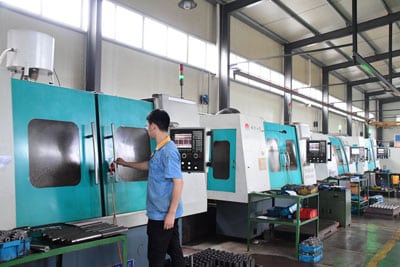

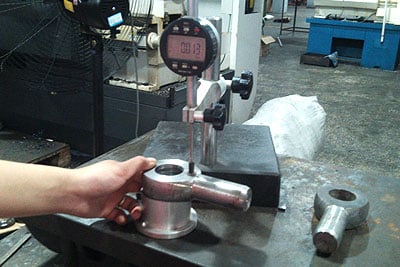
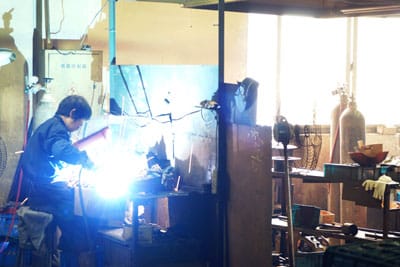
The right supplier should understand both product customization and production repeatability. SYZ supports drawings, samples, fitment discussion, packaging, and production control for B2B programs.
Rod ends, bearings, ball joints, tie rod kits, adapters, couplers, control arm parts, and CNC-machined hardware can be sourced through one factory team.
Most market requirements can be reviewed against your sample, dimensions, CAD file, material preference, and target commercial plan.
We discuss the manufacturable details: thread, bore, finish, tolerance, heat treatment, plating, assembly, packaging, and inspection.
Private label, finish color, kit configuration, cartons, labels, documentation, and repeat supply needs can be included in the project scope.
Use these answers to prepare a more accurate RFQ for custom drift suspension components.
We can manufacture and coordinate many components used in a kit, including rod ends, steering linkage parts, spacers, tube adapters, couplers, control arm parts, spherical bearings, ball joints, brackets, and CNC hardware. Final vehicle geometry and installation validation should be completed for the exact platform.
Yes, when you provide the required rack, knuckle, taper, thread, spacer, center distance, and mounting data. A physical sample or CAD model is best for non-standard drift geometry.
No. They are common drift platform references for custom development discussion. Fitment must be confirmed against the exact chassis, year, modification package, steering rack, knuckle, hub, wheel offset, and approved dimensions.
XM/XF, MXM/MXF, JMX/JFX, JMX-M/JFX-M, SCM/SCF, SCM-M/SCF-M, PCYM, and PCYF series are useful references. The right choice depends on load, packaging, thread, bore, mounting width, material, and misalignment requirements.
Yes. SYZ product content includes broad inch and metric rod end ranges, and custom sizes can be reviewed when the project requires special dimensions.
Common options include chromoly steel, carbon steel, stainless steel, aluminum, and titanium. Material selection should be matched to strength, weight, corrosion resistance, fatigue expectations, finish, and cost targets.
Yes. A physical sample can be used for reverse review, but drawings or controlled measurements are still recommended before production so critical dimensions and tolerances are clear.
Yes. Rod end kits and linkage hardware can be quoted as matched components to reduce mismatch risk during assembly and sourcing.
Yes. Logo, finish color, carton labels, kit packaging, instruction inserts, barcode labels, and other brand requirements can be discussed during quotation.
Yes. SYZ can review brackets, spacers, mounts, adjusters, adapters, and special suspension or steering hardware when drawings, CAD files, or samples are available.
Please send the target part list, application, material preference, finish, quantity, drawing or sample photos, key dimensions, packaging needs, and any test or inspection requirements.
We can help review manufacturability, component selection, material options, kit contents, and production approach. Vehicle-level engineering decisions and final safety validation remain the responsibility of the product owner or installer.
Share the component list, vehicle platform, drawings or sample photos, material, finish, and quantity. Our engineers will review the details and respond with the next technical and commercial steps.