Stainless steel is sold through three main channel types: online metal distributors that cut to size, general retail/DIY outlets for small pieces, and local metal service centers. Which one is the right fit depends less on price alone and more on whether you already know the exact spec you need — grade, form, thickness, and finish all affect both price and whether a given supplier can even fill the order.
The Three Channel Types
| Channel Type | Best For | Strengths | Trade-offs |
|---|---|---|---|
| Online metal distributors (e.g. cut-to-size suppliers) | Buyers who already know their exact spec | Precise cut-to-size ordering, no minimum order quantity on most sizes, wide grade/form selection | Less hands-on guidance on sizing or grade selection |
| Retail/DIY outlets (hardware stores, general retailers) | Small sheets for crafts or small DIY projects | Convenient, no account needed, good for one-off small pieces | Limited sizes and grades, availability varies by store |
| Local metal service centers | Small quantities, same-day pickup, wanting to inspect stock in person | No shipping wait, can physically verify material before buying | Narrower size/grade selection, availability varies by region |
A one-off small project (a bracket, a craft piece) is usually well served by a retail outlet or a local service center. A project with a specific, known spec — grade, thickness, exact dimensions — is typically cheaper and more precise through an online cut-to-size distributor.
Lock Down These Specs Before You Shop
Every stainless steel supplier prices and filters by the same core parameters. Have these answered before comparing vendors:
- Grade — 304 is the general-purpose default; 316 if the part will see saltwater or chlorides; 303 if it’s going to be heavily CNC-machined. See our 303 vs 304 vs 316 comparison if you’re not sure which applies.
- Form — sheet, plate, bar, tube, pipe, or expanded metal.
- Thickness/gauge — affects both price and what the material can be used for.
- Surface finish — mill finish, brushed, or polished; see our brushed vs. polished guide if appearance and maintenance matter for the application.
- Documentation needs — does the project require a mill certificate or food-contact/material compliance documentation? This matters far more for structural or food-contact applications than for a low-stakes bracket.
What to Ask a Supplier
- What grade is this, specifically? A listing that just says “stainless steel” without a grade number is worth a follow-up question — see our note on what “304 stainless steel” vs. “stainless steel” actually means.
- Do you provide mill certificates or material documentation for this lot, if the application needs it?
- Can you cut to exact length or size, and what tolerance should I expect?
- What finish does this come in, and can it be requested in brushed or polished if the standard stock is mill finish?
If You’re Also Sourcing Fabrication, Not Just Raw Material
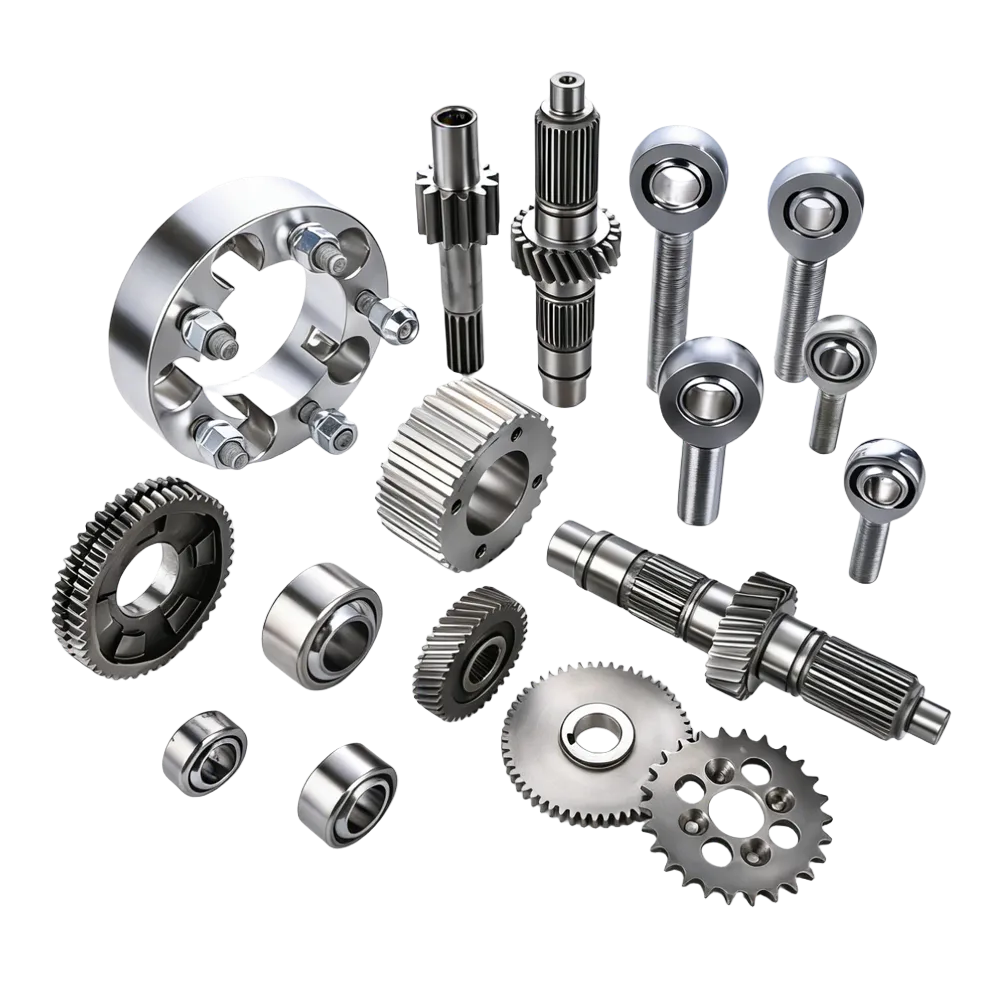
If a project involves both raw stainless steel stock and finished, machined or fabricated parts — welded assemblies, custom brackets, drilled and finished components — it’s worth asking whether a single shop can handle both the material and the fabrication, rather than managing two separate vendor relationships. SYZ Machine, for example, works with stainless steel as part of its custom fabrication capability, handling machining, welding, and finishing in-house; whether that fits a specific project depends on the exact spec and volume, which is a conversation worth having directly rather than something this article can answer in the abstract.
Related reading: 303 vs 304 vs 316 Stainless Steel · Brushed vs. Polished Stainless Steel