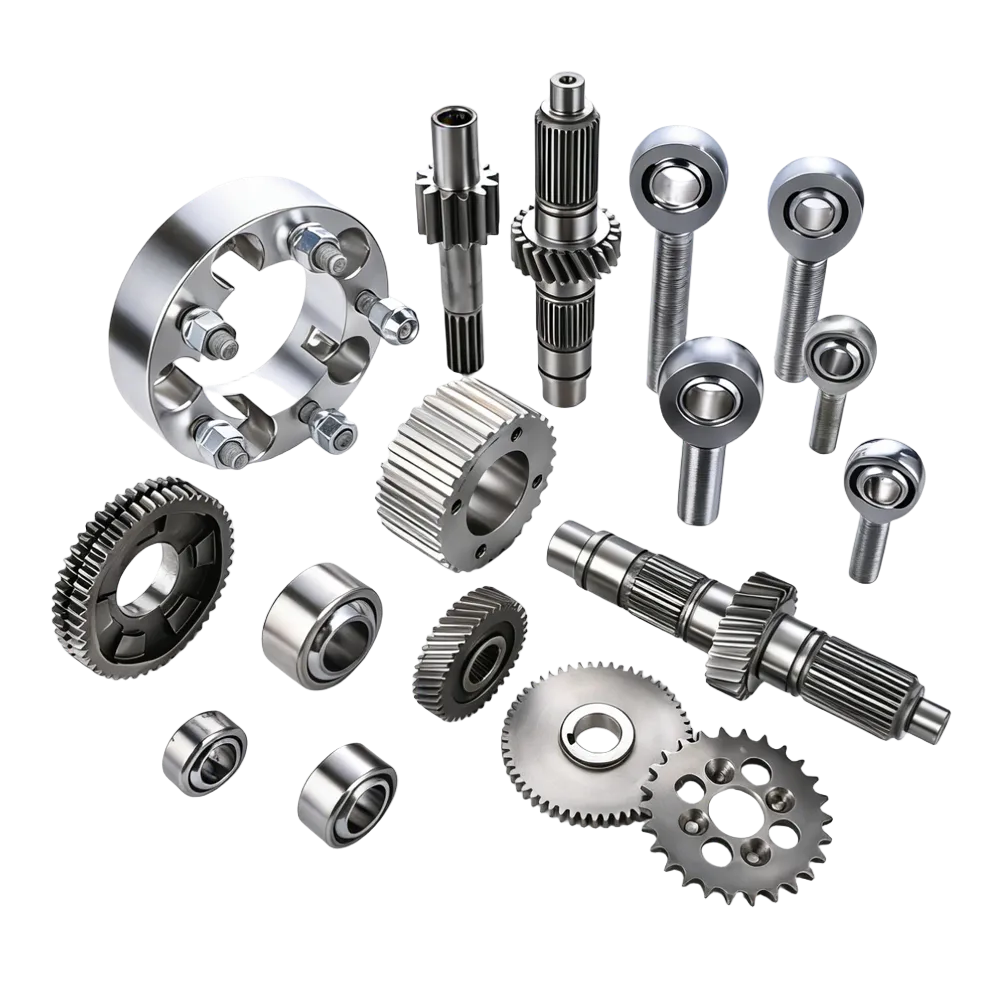
Zinc plating is an electrochemical process that deposits a thin layer of zinc onto a metal surface — almost always steel or iron — to protect it from rust and corrosion. It’s also called electro-galvanizing, and it’s one of the most common, cost-effective surface treatments used on fasteners, industrial hardware, and automotive parts.
How the Process Works
- Clean the part. Oil, dirt, and any existing rust are removed from the surface first — zinc won’t bond well to a contaminated substrate.
- Immerse in a zinc-ion solution. The cleaned part is placed in an electroplating bath containing dissolved zinc ions (common bath chemistries include cyanide, alkaline non-cyanide, and acid chloride systems, chosen based on the finish and corrosion-resistance level needed).
- Apply an electric current. The current drives the zinc ions out of solution and deposits them onto the part’s surface as a thin metallic layer.
- Passivate. The finished part is typically given a passivation treatment afterward to further improve corrosion resistance and set the final appearance (clear, yellow, black, etc.).
Why Zinc Protects the Base Metal
Zinc is more chemically reactive than iron, so it corrodes preferentially — this is sacrificial protection. As long as the zinc layer is intact, it takes the corrosion damage instead of the steel underneath. The layer applied by standard zinc electroplating is thin — typically 5–25 microns (0.005–0.025 mm) — which is enough for many indoor and moderate-exposure uses, but it’s a finite reserve: how that protection eventually runs out, and what determines how long it lasts, is covered in Is Zinc Plated Rust Proof?
Where It’s Used
Zinc plating shows up most often on:
- Fasteners (bolts, nuts, screws)
- Industrial hardware and brackets
- Automotive components
It’s chosen for this kind of part because it’s inexpensive relative to other corrosion-resistant finishes and works well for indoor or moderate-exposure applications where a thicker (and more expensive) coating like hot-dip galvanizing isn’t necessary.
Related reading: Is Zinc Plated Rust Proof?