Brushed and polished are the two most common stainless steel surface finishes, and the difference is entirely about how the surface is worked after fabrication — not a different alloy or grade. Brushed (also called satin) finishes are matte with visible directional lines; polished finishes are buffed to a smooth, reflective, sometimes mirror-like surface. The right choice usually comes down to how much fingerprint/scratch-hiding practicality you need versus how much shine you want.
How Each Finish Is Made
- Brushed / satin: abrasive belts or pads are run across the surface in one consistent direction, creating a fine directional grain.
- Polished: the surface is progressively ground and buffed through finer and finer compounds until it reaches a bright, reflective finish — highly polished versions approach a mirror.
Comparison
| Feature | Brushed Stainless Steel | Polished Stainless Steel |
|---|---|---|
| Appearance | Matte, directional grain visible | High-gloss, reflective, can approach mirror |
| Light reflection | Diffuses light, low glare | Strong reflection |
| Fingerprints/smudges | Hides them well | Shows them easily |
| Scratches | Blend into the grain | More obvious |
| Maintenance | Lower — easier for everyday use | Higher — needs frequent wiping to keep the shine |
| Typical uses | Kitchen appliances, sinks, elevator panels, hardware, architectural surfaces | Decorative panels, trim, displays, bathroom fixtures, automotive accents |
Which Is More Practical?
Brushed stainless steel is the more forgiving finish for anything that gets touched or used often: the directional texture disguises fingerprints, water spots, and the inevitable minor scratches that accumulate on a high-contact surface — which is exactly why it’s the default for kitchen appliances, sinks, and hardware. Polished stainless steel trades that practicality for visual impact: a genuinely reflective, premium-looking surface, at the cost of showing every fingerprint and needing more frequent cleaning to keep that look.
Which Should You Choose?
- Practical, low-maintenance, high-touch surfaces (appliances, sinks, handrails, hardware) → brushed
- Decorative accents where shine matters more than upkeep (trim, fixtures, display panels) → polished
- For most everyday applications, brushed is the more practical default; polished is chosen deliberately for its visual effect, not for ease of care.
Maintenance Note
Both finishes clean the same basic way — mild soap and water, wiped or scrubbed in the direction of the grain (for brushed) or in a consistent direction (for polished), never with steel wool or harsh abrasives. If you’re dealing with actual rust or staining rather than routine cleaning, see how to remove rust from stainless steel — the grain-following principle applies to both finishes.
A Note on Custom Fabrication
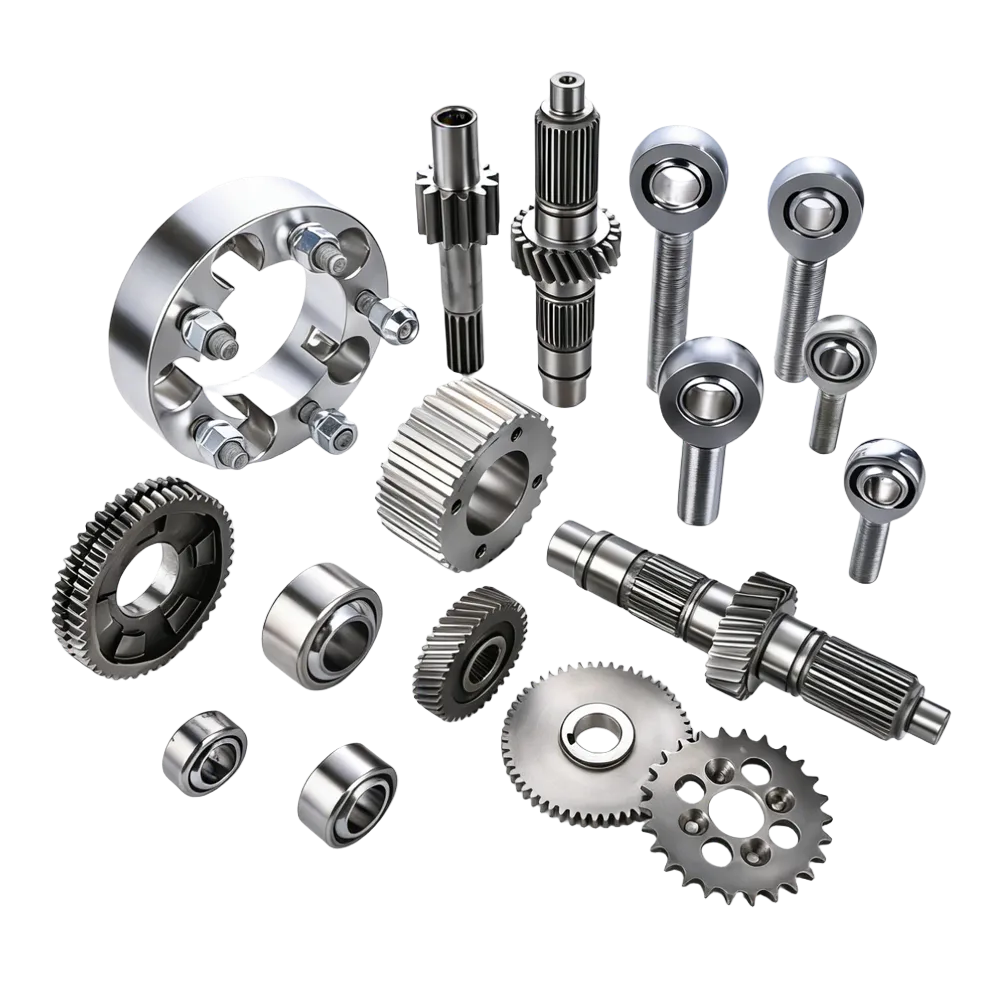
Brushed and polished are both standard post-processing steps in stainless steel fabrication, applied after the part is cut, formed, or machined. If a project involves custom stainless steel components that need a specific finish, that’s typically something specified alongside the machining or fabrication work itself rather than sourced separately — SYZ Machine, for example, handles both custom stainless fabrication and the surface finishing that follows it as part of the same process.
Related reading: How to Remove Rust from Stainless Steel · 303 vs 304 vs 316 Stainless Steel