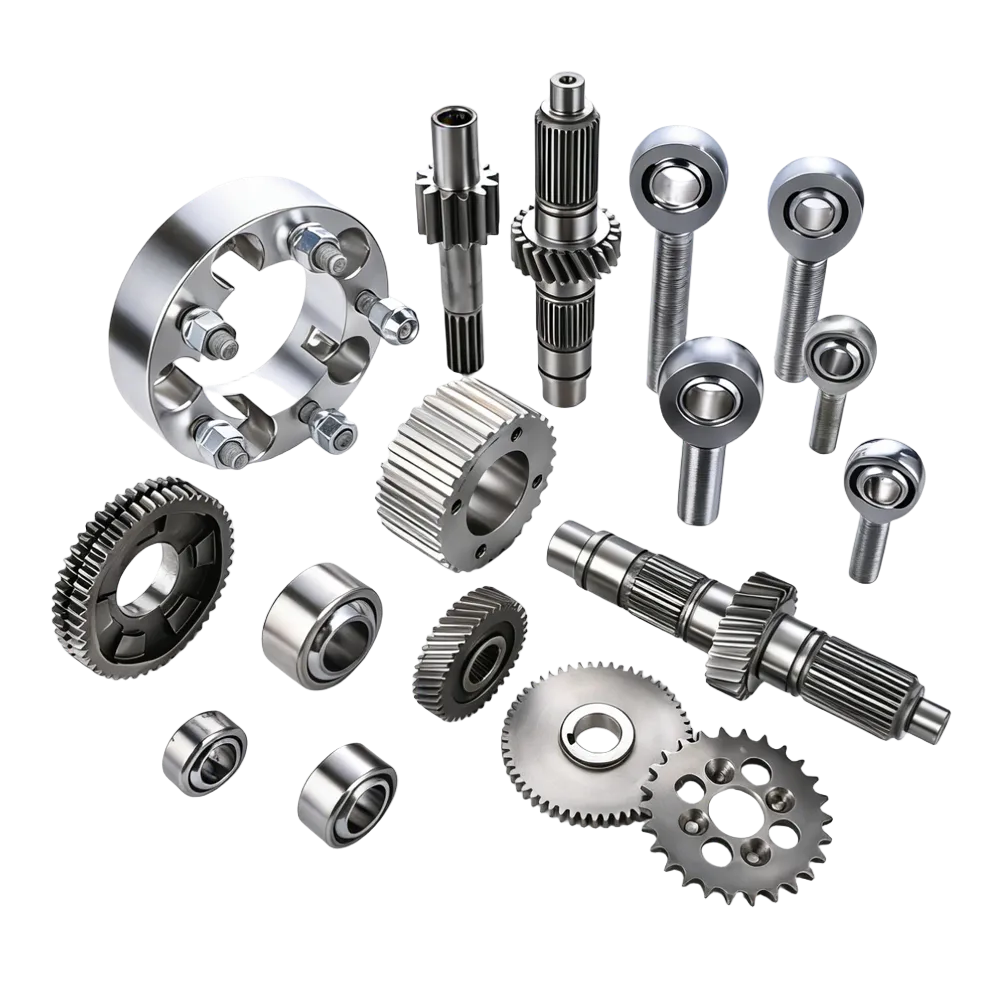
You can buy wheel spacers from three types of places — general auto parts retailers (AutoZone, O'Reilly, Advance Auto Parts), specialty spacer/adapter manufacturers (H&R, Bora, Spidertrax, Wheel Adapters USA, BONOSS), and general e-commerce (Amazon, eBay). Price runs roughly $12–$40 for a thin slip-on pair up to $150–$300+ for a full hub-centric bolt-on set. AutoZone itself is a legitimate retailer — the question isn't whether the store is trustworthy, it's whether the specific spacer on the shelf is hub-centric, correctly rated, and built for your exact vehicle.
Where People Actually Buy Them
General auto parts retailers — AutoZone, O'Reilly, Advance Auto Parts, and similar chains carry wheel spacers as a stocked category, often with same-day local pickup. Selection ranges from generic universal slip-on plates to name-brand hub-centric kits (Rough Country, aFe Power) sold through the same stores.
Specialty manufacturers/brands — H&R, Bora, Spidertrax, BONOSS, and Wheel Adapters USA build spacers as their core product, typically offering vehicle-specific hub-centric fitment and a narrower, more curated catalog than a general retailer.
General e-commerce — Amazon and eBay carry both of the above categories plus a long tail of unbranded listings. This is the channel where filtering matters most — a listing photo can't tell you whether a spacer is cast or forged aluminum, or whether the center bore actually matches your hub.
If you're buying for load-bearing precision hardware rather than a retail one-off, our guide to wheel spacer brands worth trusting covers the certification and material-verification standards (mill test reports, ISO 9001, hardware grade documentation) that matter for that kind of sourcing decision — that's a different question than "which retailer" and worth reading separately if that's your context.
What They Cost (Market Reference, Not a Quote)
These are indicative reference ranges based on retailer and manufacturer listings, not a SYZ Machine quote. Prices and inventory change; check the current listing for your specific spacer size and vehicle.
| Type | Typical thickness | Price range (per set) |
|---|---|---|
| Thin slip-on | 3–10mm | $12–$40 |
| Bolt-on / adapter-style | 15mm–2"+ | $60–$200+ |
| Custom / heavy-duty (dually, oversized) | Varies | $150–$500+ |
Within any of these bands, the spread comes from material (cast vs. forged aluminum), hardware grade, and whether the spacer is a generic universal fit or machined to your specific hub bore and bolt pattern. A $20 universal slip-on and a $90 vehicle-specific hub-centric spacer are not competing on price for the same product — they're different products.
Is AutoZone Good?
AutoZone as a retailer is fine — it's a legitimate, established channel, and it carries a mix of brands including Rough Country, aFe Power, Dinan, and generic house brands like White Knight or Dorman. The judgment call isn't about the store; it's about which specific product on their shelf you're looking at.
What to check before buying anything through AutoZone (or any general retailer):
- Is it labeled hub-centric, or is it a generic "fits most" universal plate?
- Is the material specified as forged 6061-T6 (or better) aluminum, or unspecified/cast?
- Does the listing confirm your exact bolt pattern and hub bore, or is it a broad-fit product?
- What hardware grade comes with it, and is it correctly rated for the thickness?
A name-brand hub-centric spacer sold through AutoZone is functionally the same product you'd buy direct from that brand. A generic universal spacer sold through AutoZone carries the same centering and thread-engagement risks a generic spacer carries anywhere else — the retailer doesn't change the part.
Is Wheel Adapters USA Good?
Reports about Wheel Adapters USA are mixed. The brand is described as offering CNC-machined 6061-T6 billet aluminum, pre-installed Grade 10.9/12.9 studs, and vehicle-specific hub-centric fitment, while some customer reviews mention communication delays or machining and quality-control concerns. Verify the current specifications, warranty, and fitment before ordering.
On the more cautious side: online reviews are mixed, with feedback on forums and review platforms pointing to occasional communication delays and machining/quality-control concerns. The practical takeaway isn't "avoid this brand" — it's "verify hub bore and bolt pattern measurements carefully before you order, regardless of which brand you're buying from." We'd rather flag that a legitimate split in feedback exists than pick a side for you based on marketing copy from either direction.
Buying Checklist (5 Things to Confirm Before You Click Buy)
- Your vehicle's hub bore diameter — this is what makes a spacer hub-centric for your specific vehicle, not a generic "fits most trucks" claim.
- Bolt pattern and thread pitch — confirm both match your vehicle exactly; a close-but-not-exact bolt pattern won't seat correctly.
- The thickness you actually need — measured, not guessed (see our guide to choosing wheel spacer thickness for the measurement method).
- Whether you need extended studs — thin slip-on spacers reduce available thread length; confirm before ordering, not after installing.
- Return/warranty policy — precision-fit hardware that doesn't seat correctly on your specific hub needs to be returnable, especially with generic e-commerce listings.
Related reading: Best Wheel Spacer Brands You Can Trust · How to Choose Wheel Spacer Thickness · How to Choose Wheel Spacer Size Correctly