DOM tubing is sold through three channel types: national online metal distributors, suppliers that specialize in off-road/racing fabrication tubing, and local metal service centers. Which one is right for you depends less on “who’s cheapest” and more on whether you’ve already locked down the right specification — because getting that wrong is a more expensive mistake than paying a few percent more per foot.
Lock Down the Spec Before You Shop
Every DOM tubing supplier prices and filters by the same handful of parameters. Have these five answered before you start comparing vendors:
- Outside diameter (OD) — the number every catalog filters by first
- Wall thickness — combined with OD, this determines inside diameter (ID = OD − 2 × wall thickness)
- Length — stock cut lengths (1–20 ft) or custom cut-to-size
- Grade — 1020 or 1026 are the common carbon-steel DOM grades; confirm which your application calls for
- Standard — ASTM A513 Type 5 is the governing spec for DOM in North America; a listing that doesn’t reference it is worth a follow-up question
If you’re not sure what size you need yet, see what thickness or size of DOM tubing you actually need before you shop — sizing that question backward (pick a vendor first, then figure out sizing) is how people end up ordering the wrong wall thickness.
The Three Channel Types
| Channel type | Best for | Typical strengths | Typical trade-offs |
|---|---|---|---|
| National online metal distributors | Buyers who already know their exact spec | No minimum order quantity on most sizes, precise OD/wall/ID filtering, cut-to-size options, ships anywhere | Less hands-on guidance on which size fits your application |
| Off-road/racing fabrication specialists | Roll cage, chassis, and suspension-link builders | Stock the sizes this community actually uses (1.75″×.095″ and similar), staff who understand roll-cage and chassis use cases | Narrower product range outside fabrication tubing |
| Local metal service centers | Small quantities, same-day pickup, wanting to inspect stock in person | No shipping cost or wait, can physically check straightness/finish before buying | Limited size selection, availability varies a lot by region |
Which one wins depends on the job: a one-off roll cage project usually does better with a fabrication specialist who already stocks the right sizes; a repeat production run is usually cheaper through a national distributor with cut-to-size service; a quick repair or small bracket often isn’t worth shipping at all.
What to Ask a Supplier Before You Order
- Do you have a mill certificate or ASTM A513 Type 5 documentation for this lot? Some listings state the standard directly in the product title; if it isn’t stated, ask. This matters more for safety-relevant parts (roll cages, suspension links) than for a low-stakes bracket.
- What are the OD/ID/wall tolerances on this size? DOM tubing typically only guarantees two of the three dimensions at once — worth confirming which two for your size.
- Can you cut to length, and what’s the length tolerance? Stock lengths (especially 20-ft mill lengths) commonly ship with a few feet of tolerance; if you need an exact length, say so up front.
- Is this 1020 or 1026, and does that matter for what I’m building? As a rough guide, 1020 tends to cover smaller/thinner sizes and 1026 larger/thicker ones — but availability varies by supplier, so don’t assume.
If You Haven’t Decided Between DOM and Chromoly Yet
Don’t shop for tubing before settling this — DOM (1020/1026) and 4130 chromoly aren’t interchangeable line items with the same trade-offs:
- DOM costs less, welds with MIG or TIG, and is more forgiving of welding technique — the default choice unless your rulebook or weight target says otherwise.
- Chromoly (4130) has a better strength-to-weight ratio, letting you use a thinner wall or smaller diameter for the same strength target, but it requires TIG welding with tight heat control — a narrower margin for welding error.
If you’re not sure which your project needs, that decision should come before you’re comparing vendor prices, not after.
A Note If You’re Also Sourcing Finished Parts
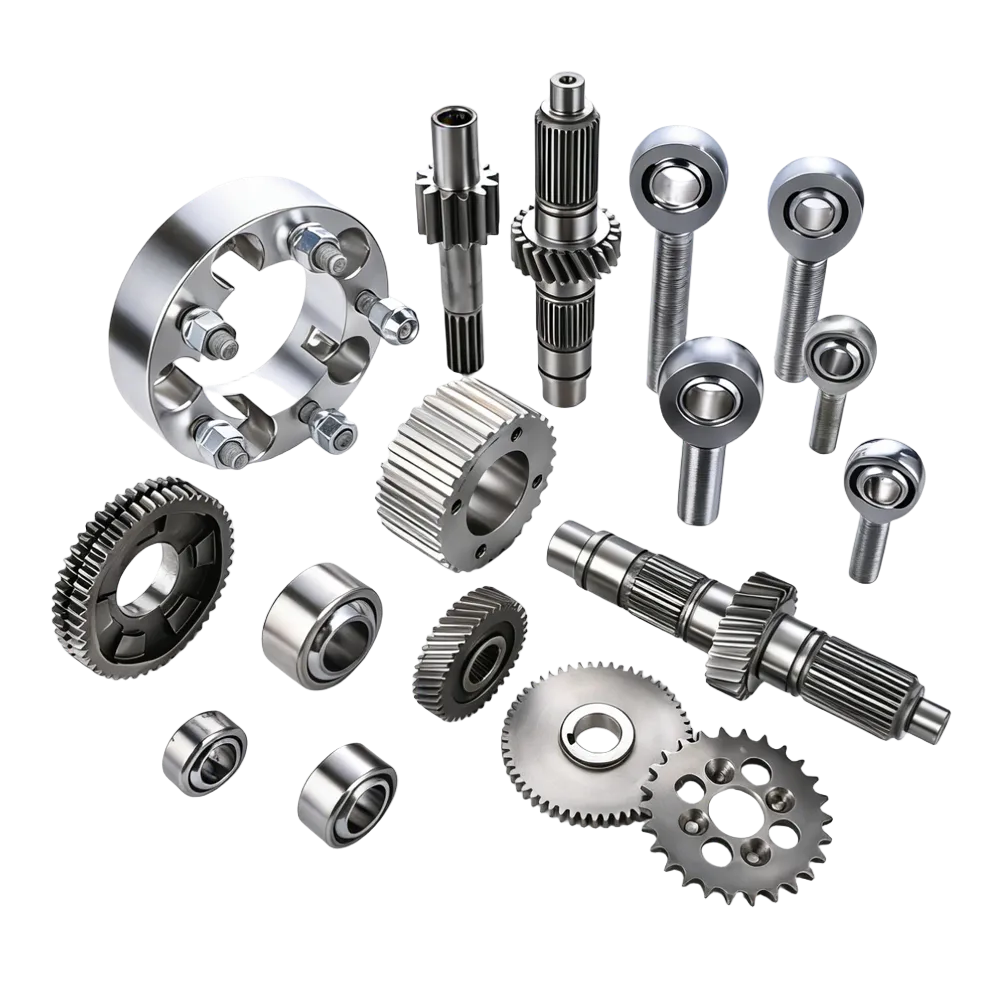
If your project involves both raw tubing stock and finished, machined hardware — rod ends, custom control arms, or similar tubular components built from this same material — it’s worth asking whether a single fabrication shop can supply both, rather than managing two separate vendor relationships. SYZ Machine, for example, works with 4130 chromoly and DOM tubing as part of its custom fabrication capability and also carries a chromoly tubing product line; whether that’s the right fit depends on your specific spec and volume, which is a question for a direct conversation rather than something this article can answer in the abstract.
Related reading: What Is DOM Tubing? · What Thickness or Size of DOM Tubing Do You Need? · Why Is DOM Tubing So Expensive, and Is It Stronger Than Regular Tubing?