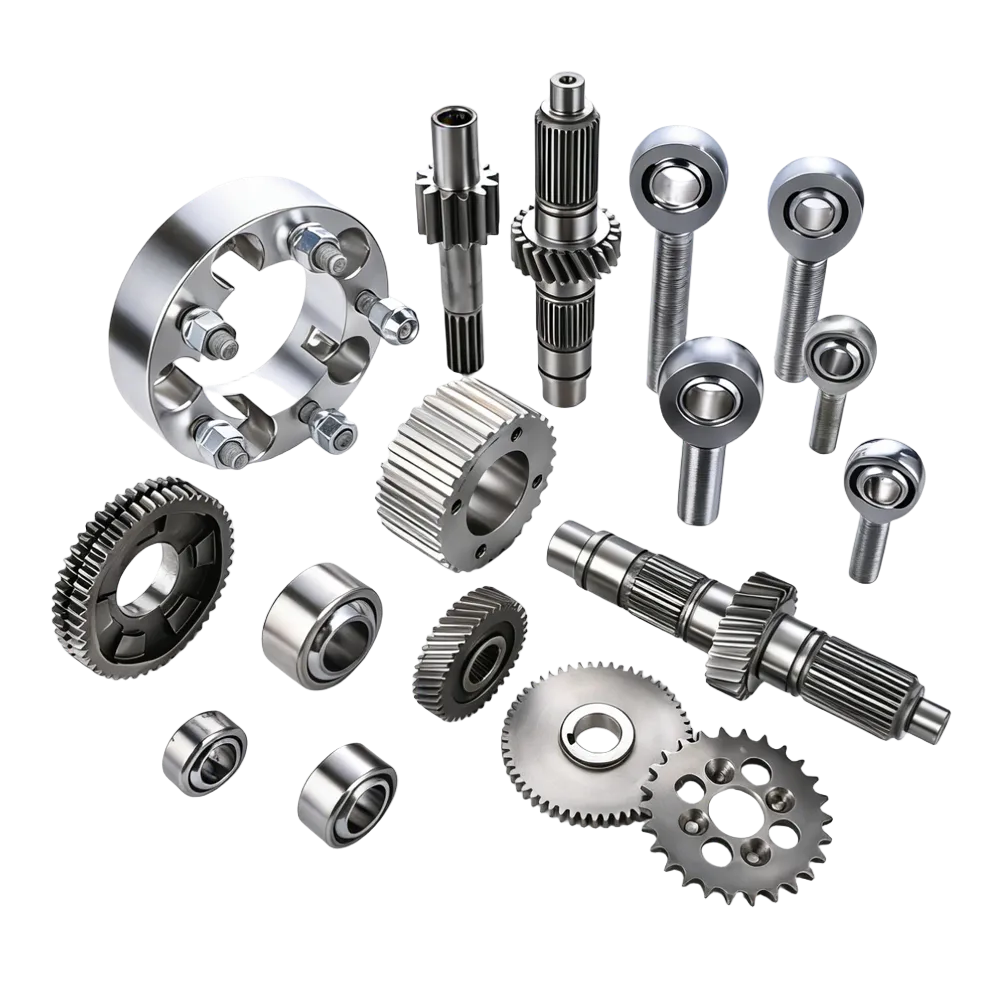
A single ball joint replaced at a shop typically runs $200–$500 in parts and labor combined, and doing both sides at once usually lands around $400–$900. Buying just the part for a DIY job is far cheaper — $10–$150 depending on brand — but the labor and specialized tools are most of what you're paying for at a shop, not the joint itself.
These are broad U.S. consumer repair-estimate ranges, not a quote from any specific shop or SYZ Machine. Treat them as a planning reference only and get a vehicle-specific estimate before committing.
Parts-Only vs. Parts-and-Labor
| Category | Typical Price | Notes |
|---|---|---|
| Budget aftermarket part | $7–$25 | Brands like TrueDrive, NAPA Proformer |
| Mid-tier aftermarket part | $25–$80 | Brands like Moog |
| OEM / premium part | $90–$150+ | |
| Full control-arm assembly (if joint isn't sold separately) | $70–$500 | See "integrated designs" below |
| Shop replacement, parts + labor, per joint | $200–$500 | 1–2 hours labor at $80–$250/hour |
| Both front joints, done together | $400–$900 | Shared labor time brings down the per-joint cost slightly |
Upper vs. Lower: Why the Lower One Costs More
The lower ball joint usually costs more to replace than the upper — often $250–$500 versus $150–$350 for the upper. The reason is mechanical, not arbitrary: the lower joint is frequently press-fit into the control arm and carries the vehicle's weight, so replacing it can require a hydraulic press and more labor time than a bolt-in upper joint. This lines up with why the lower joint wears out faster in the first place — see What Does the Lower Ball Joint Do? for the full explanation of why it takes more load.
Vehicle Type Is the Biggest Swing Factor
- Compact/economy sedans (Civic, Corolla-class vehicles): typically $200–$350 per joint.
- Trucks, 4×4 SUVs, and European luxury vehicles (BMW, Audi, and similar): typically $350–$600+ per joint, driven by more complex suspension geometry and higher-cost OEM parts.
These are ranges pulled from repair-estimate sources, not a per-model lookup table — confirm against your specific vehicle before budgeting.
The Cost You Might Forget: Alignment
Replacing a ball joint changes front-end geometry, so a wheel alignment is almost always needed afterward — budget another $75–$150. Skipping it after a ball joint job is a common way to turn a fixed part into rapid, uneven tire wear.
Check This Before You Price the Job: Is the Joint Even Replaceable on Its Own?
On many modern vehicles, the ball joint isn't sold as a standalone part — it's pressed into the lower control arm at the factory, and the only "repair" option is replacing the whole control-arm assembly ($250–$500 per side). That's more expensive per side than a standalone joint, but it also replaces the bushings at the same time, so you're not paying twice for two separate labor jobs down the road. Before you price out "just the ball joint," look up whether your specific vehicle uses a standalone joint or an integrated control-arm design — it changes which price range in this article actually applies to you.
DIY or Shop?
The DIY-vs-shop math comes down to whether the joint is bolt-in or press-fit. A bolt-in upper joint is a reasonable DIY job with basic hand tools. A press-fit lower joint is a different story — without a ball joint press (or access to one), forcing it out with a hammer and improvised tools risks damaging the control arm or seating the new joint crooked, which can undo any savings the moment it fails an alignment check or, worse, fails on the road. If you don't already have the tool and the experience, the labor charge on a lower joint is largely paying for equipment you'd otherwise have to buy or rent anyway.
Related reading: What Does the Lower Ball Joint Do? · How Often Should You Grease Your Ball Joints? · What Is a Ball Joint on a Car?