
There is no fixed mileage interval for suspension bushings. Service life varies with bushing material, climate, road conditions, load, and contamination. Inspect for cracking, separation, excessive movement, or other signs of failure, and follow the vehicle manufacturer’s maintenance guidance.
Why There’s No Fixed Replacement Schedule
Multiple independent sources — including a major auto-finance publisher’s own consumer guide — agree on the same point: there’s no set mileage interval for suspension bushings the way there is for, say, an oil change. Lifespan depends on the material, your climate, your road conditions, and how the bushing has been exposed to heat, road salt, and oil or fuel residue over time. Two bushings on the same model of car can wear at very different rates depending on where that specific car has spent its life. This is the same set of degradation factors covered in more detail in What Are the Symptoms of Bad Bushings? — this article focuses on what that degradation means for your replacement timeline, not on recognizing it.
Lifespan by Material
| Material | Typical lifespan | Trade-off |
|---|---|---|
| Standard OEM rubber | ~50,000–100,000 miles (roughly 5–10 years, depending on annual mileage) | Quiet, comfortable ride; degrades from heat, road salt, oil exposure, and ozone/UV aging over time |
| Polyurethane (aftermarket) | 100,000+ miles | Far more durable and chemical-resistant; stiffer ride, and needs periodic re-greasing to stay quiet — see Should You Grease or Lubricate Bushings? |
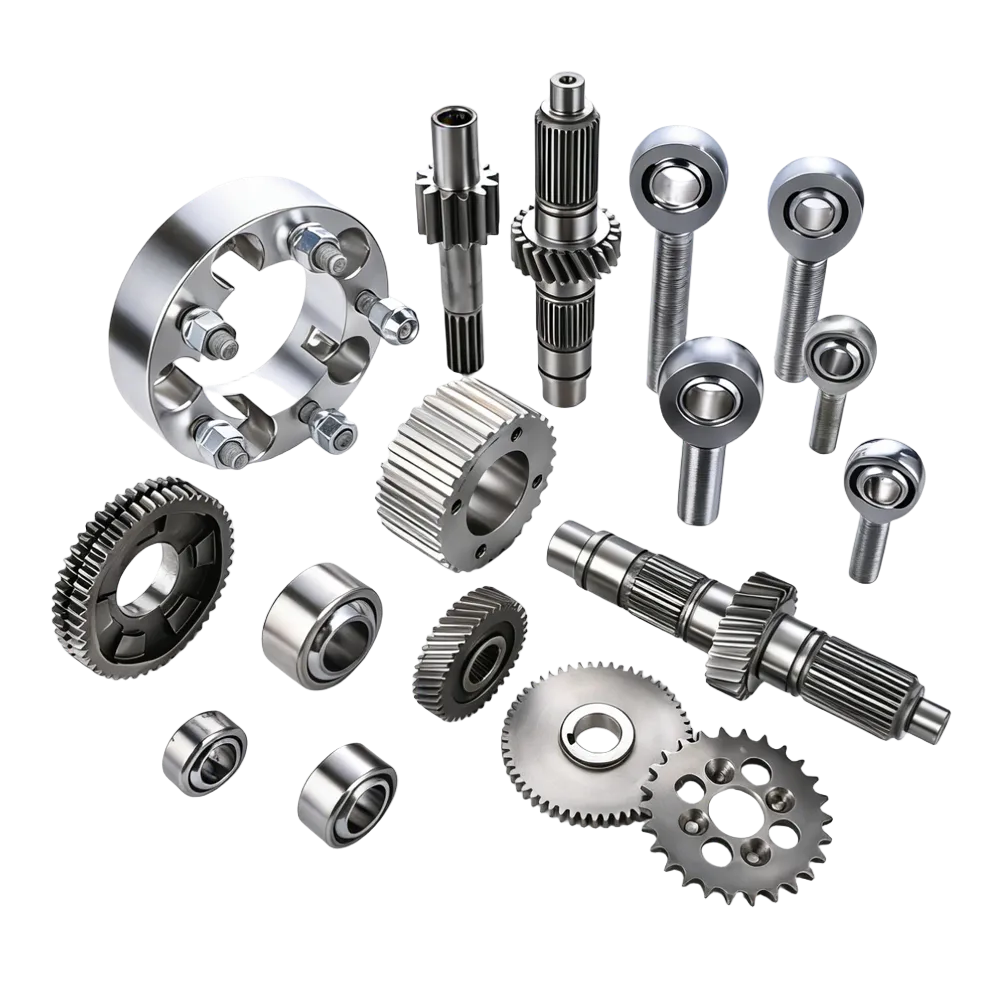
| Metal / spherical bearings (performance applications) | Often well under 50,000 miles in daily driving | Very precise handling; wears quickly when exposed to dirt and moisture in everyday use rather than a controlled racing environment |
Bushing life varies with material, vehicle, climate, and driving conditions. Use the lifespan ranges above as general estimates, and inspect the bushings for cracking, separation, deformation, or excess movement instead of relying on age alone.
How Urgency Scales With Severity
Use the condition-based guide below to judge urgency. A visible crack, a loose or separating bushing, and a bushing that has lost its ability to locate the suspension call for different responses.
| Wear level | What it looks like | Recommended timeline |
|---|---|---|
| Minor — surface cracking, no symptoms | Small surface cracks or dryness on the rubber, bushing still structurally intact | Not urgent. Have it checked during your next routine service; no need to schedule a special visit. |
| Moderate — visible tearing, noise, or handling symptoms | Clunking over bumps, looser steering feel, uneven tire wear starting to show | Schedule replacement soon rather than waiting. One source suggests roughly a 1,000–2,000 mile window as a rough guideline — treat this as a prompt to arrange inspection soon, not as a mileage-based deadline. |
| Severe — complete failure, metal-on-metal, major instability | Loud metal clunking, vehicle pulling, steering wheel vibration or instability | Treat as urgent. Avoid unnecessary driving until it’s inspected — see Can You Drive With Bad, Worn, or Broken Bushings? for what to do before your next drive. |
Key takeaway: if you’re only seeing fine surface cracks, you have time and don’t need to treat it as an emergency. If you’re hearing metal-on-metal clunking or noticing uneven tire wear, move it up your to-do list — waiting on the “moderate” tier is what tends to turn a bushing job into a control-arm job.
Material Choice and Replacement Timing Are Connected
If you’re already replacing a worn rubber bushing, it’s worth deciding at that point whether to go back to OEM rubber or step up to polyurethane. Polyurethane’s longer service life comes with a maintenance trade-off — it needs periodic grease to avoid developing a squeak, which OEM rubber generally doesn’t. That trade-off is covered in full in Should You Grease or Lubricate Bushings?; the point worth making here is that “longer lifespan” and “zero maintenance” aren’t the same thing, and the right choice depends on whether you’d rather replace sooner or maintain periodically.
Related reading: Can You Drive With Bad, Worn, or Broken Bushings? · What Are the Symptoms of Bad Bushings? · How Do You Know If Your Bushings Are Bad? (Testing Guide) · Should You Grease or Lubricate Bushings?