
Sometimes, and it depends entirely on what’s making the noise. A squeak coming from the plastic trim right behind the wheel is usually harmless. A squeak that gets louder as you turn, comes with a stiffer or shakier wheel, or is joined by a warning light is a different situation — those point to a steering or suspension component that’s wearing out and can affect your ability to control the car.
If you’re hearing this while driving right now: a squeak on its own, with no change in how the wheel turns, isn’t a reason to pull over. But if the steering feels noticeably stiffer, looser, or starts to shake or bind at the same time, slow down, avoid highway speeds, and get the vehicle inspected before driving it further. Don’t wait for the noise to get worse before checking it.
The Two Categories of Squeak
Every source that looks at this question — repair shops, forums, and AI assistants alike — lands on the same split. There’s no single yes-or-no answer; the noise itself only tells you where to look next.
Probably harmless
- Comes from directly behind the steering wheel or from the steering column itself
- Happens even when the car is parked and not moving
- Doesn’t change how the wheel turns — no added stiffness, no looseness
- No warning lights, no other new noises
This is usually plastic trim or an interior seal rubbing against the column, or a dry rubber boot around the shaft — annoying, not dangerous, and often fixable with a spray of silicone lubricant in the right spot.
Worth checking promptly
- Steering feels stiffer or harder to turn than usual
- The wheel shakes, binds, or feels jerky
- You notice looseness or play in the wheel that wasn’t there before
- A clunking or grinding sound accompanies the squeak
- A power-steering warning light comes on
- The squeal gets noticeably louder when you turn, especially on an older vehicle with hydraulic (not electric) power steering
Any of these means the noise is likely coming from a component under load, not just trim rubbing on trim.
What’s Actually Causing It — Ranked by How Often It Shows Up
Multiple independent repair-shop sources point to the same handful of causes, roughly in order of how often they turn out to be the culprit:
- Low or degraded power steering fluid. The most commonly cited cause across repair-shop write-ups. Low fluid makes the pump work harder and starve for lubrication, which shows up as a squeal that’s worst at low speed and in tight turns. Doesn’t apply to electric power steering (EPS) systems — if your car doesn’t have a power steering fluid reservoir under the hood, it’s EPS and this cause is off the list.
- A failing power steering pump. Often the next step after fluid problems go unaddressed, or a standalone failure on higher-mileage hydraulic systems. The pump wears internally and can’t maintain pressure smoothly, which produces the same kind of squeal.
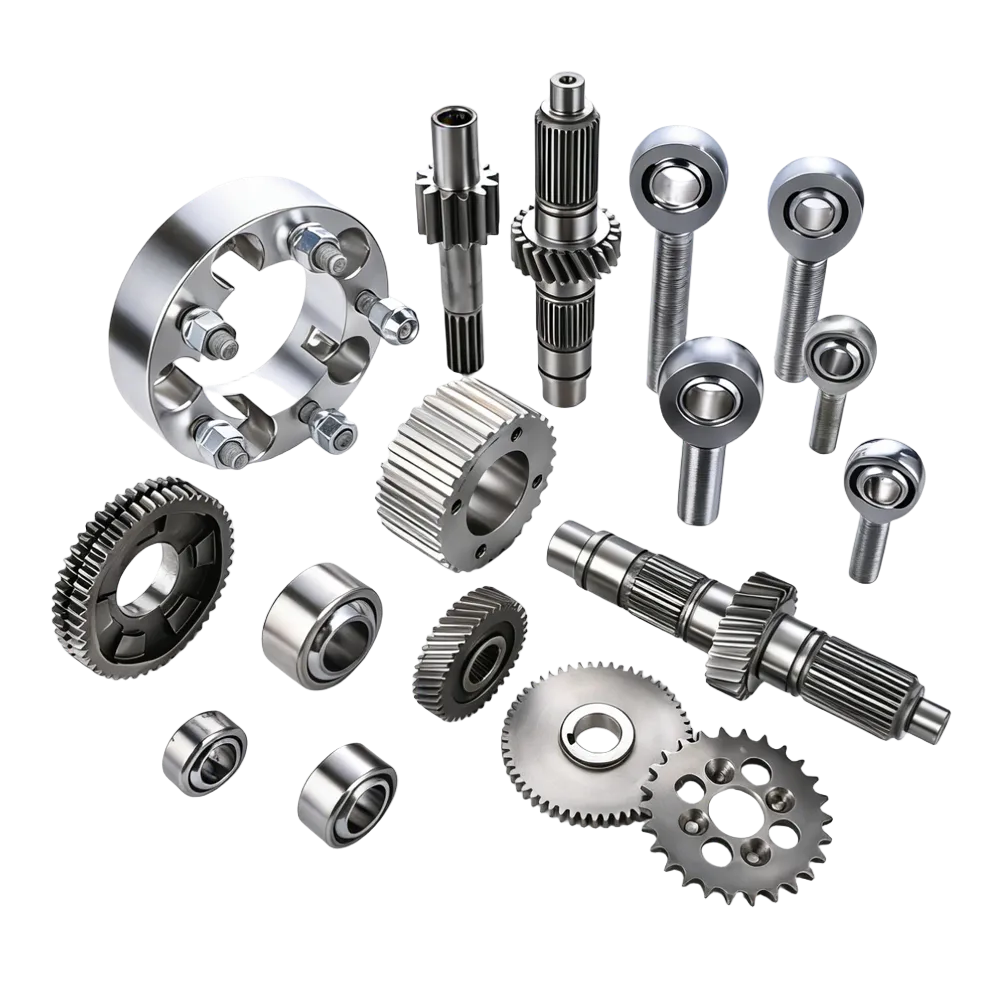
- Dry or worn linkage joints — tie rod ends, ball joints, universal joints. These need lubrication (or, if sealed, replacement when the seal fails) to move quietly. This is the category worth taking most seriously: a ball joint or tie rod end that’s dry today can wear to the point of failure later, and if one separates while driving, you lose steering control on that wheel. A squeak here is an early warning, not a late one — that’s the useful part.
- A worn or loose steering column bushing. The bushing (or coupler) that supports the steering shaft inside the column can dry out or wear enough to let the shaft move slightly, producing a squeak along with a looser, less precise feel at the wheel. This is a specific enough repair that it gets its own cost breakdown — see the Related Reading link below rather than duplicating the numbers here.
- Dry interior trim or column shroud. The “probably harmless” category above — plastic-on-plastic contact, most common in hot weather when materials expand slightly.
- A worn or slipping power steering belt (hydraulic systems only). A cracked or glazed belt squeals under load the same way a slipping alternator belt does. Not a factor on EPS-equipped vehicles, which have no belt-driven steering pump.
How to Narrow It Down Yourself
- Note when the squeak happens: only when turning, only at low speed, only when parked, or all the time. This alone rules out or points toward several causes above.
- If your car has hydraulic power steering, check the fluid reservoir level and color. Low or dark, gritty fluid points straight at causes #1 and #2.
- Have someone turn the wheel slowly, engine off (key on if you need power assist), while you listen from outside the car near the front wheels versus from inside near the column. This tells you whether the noise is coming from the steering/suspension hardware or from the column/interior trim.
- Check for play: with the vehicle safely raised and the wheel off the ground, grab the tire at 9 and 3 o’clock and try to rock it side to side. Looseness here points to tie rod ends or ball joints rather than the column.
- If the wheel itself feels loose or wobbly when you turn it (separate from tire play), that points toward the steering column bushing rather than the linkage underneath the car.
| What you notice | Likely source | Urgency |
|---|---|---|
| Squeak only when parked, no change in steering feel | Column trim / interior seal | Low — lubricate, monitor |
| Squeal worst at low speed, gets louder in tight turns | Power steering fluid / pump | Medium — check fluid soon |
| Squeak plus looseness or wobble at the wheel | Steering column bushing | Medium — schedule inspection |
| Squeak plus stiffness, clunking, or a warning light | Pump, linkage, or belt failure | High — inspect before further driving |
| Any squeak plus detectable play at the tire (9/3 o’clock rock test) | Tie rod end / ball joint | High — do not delay |
The Bottom Line
A squeaky steering wheel by itself isn’t an emergency. What matters is whether the noise is alone or has company — a change in steering effort, looseness, a new clunk, or a dashboard light. Isolate where the sound is coming from using the checks above, and treat any of the “worth checking promptly” symptoms as a reason to get it looked at before the noise turns into a part that fails while you’re driving.
Related reading: What Is a Telescopic Steering Wheel? · How Much Does It Cost to Replace a Steering Wheel Bushing?