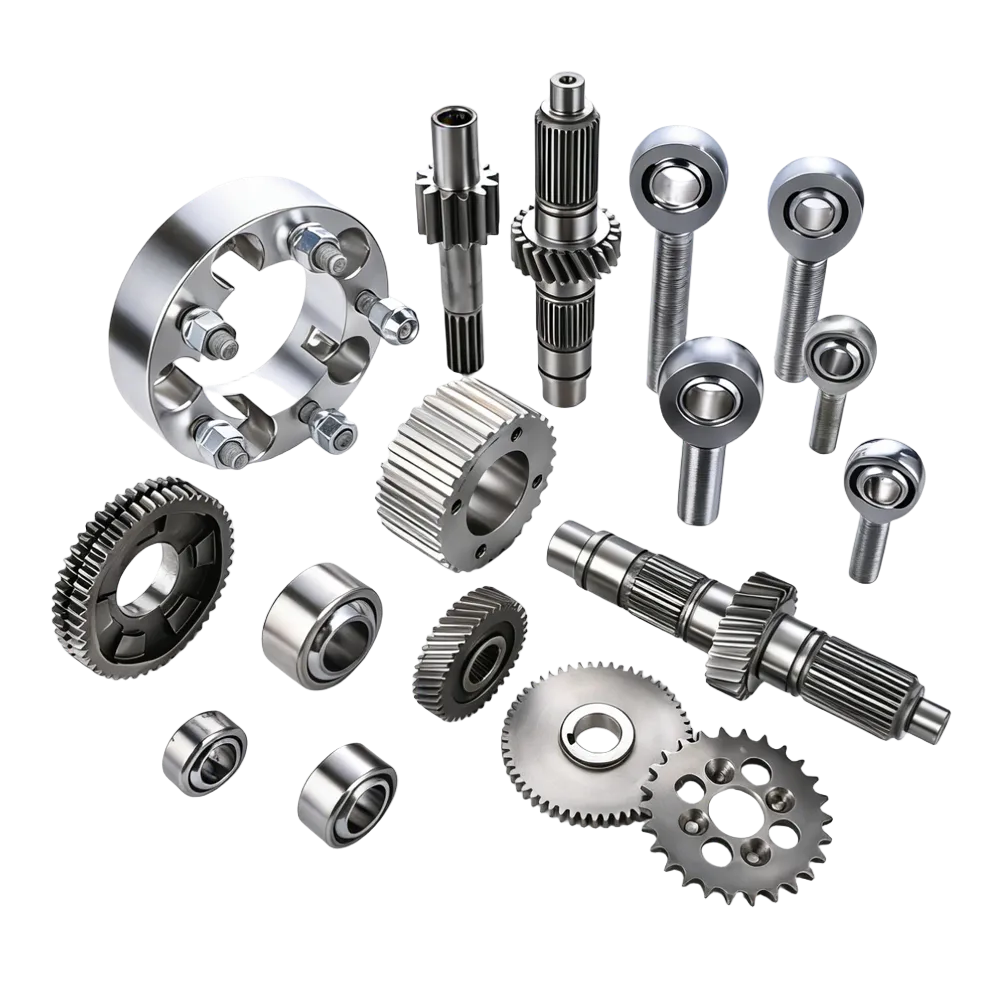
Aftermarket CV axles can be very reliable — but the gap between a premium aftermarket axle and a bargain-bin one is real, and “aftermarket” alone doesn’t tell you which side of that gap you’re on. The more useful question isn’t “OEM or aftermarket,” it’s which tier of aftermarket you’re looking at, because the reliability difference within aftermarket options is often bigger than the difference between OEM and the better aftermarket brands.
A Framework, Not a Single Answer
Instead of a binary OEM-vs-aftermarket choice, it helps to think in tiers:
| Tier | What it means | Typical trade-off |
|---|---|---|
| OE-supplier brands | Companies that also supply axles to automakers directly | Closest to OEM fit and durability, priced accordingly |
| Premium aftermarket | Established brands with heat-treated shafts, quality boots, matched geometry | Strong reliability at a lower price than OEM |
| Economy aftermarket | Functional, budget-focused, wider tolerance on fit/finish | Works, but shorter service life is common |
| Unbranded / lowest-price online listings | No consistent quality control | Highest risk of NVH issues or early boot failure |
Brands That Come Up Repeatedly
Names mentioned consistently across independent sources and AI-assisted research for this topic — presented here as a summary of what shows up in the market conversation, not a SYZ Machine endorsement or quality certification:
- GKN/Löbro, NTN — frequently cited as OE-supplier-level brands, often the same companies supplying axles to automakers directly.
- TrakMotive, A1 Cardone, NAPA — commonly mentioned as solid mid-to-premium aftermarket choices; TrakMotive’s extended-travel line is specifically called out for lifted or off-road-modified vehicles that operate at steeper axle angles than stock.
- GSP, Duralast, Detroit Axle — positioned as economy-tier options, reasonable for older daily drivers on a budget but not the first choice if long service life is the priority.
- Unbranded lowest-price listings — the one category sources consistently suggest avoiding if reliability matters.
Why Cheap Axles Disappoint
The complaints about budget aftermarket axles tend to repeat across sources:
- Lower-quality boot rubber that cracks or tears sooner than OEM-spec material
- Manufacturing tolerance variance that can cause mild vibration at highway speed even when the axle technically fits
- Geometry that doesn’t precisely match OEM — axle length and joint angle matter for smooth, vibration-free operation, and a slightly-off match is a common source of noise/vibration/harshness (NVH) complaints
As a rough reference point, factory-original axles commonly reach 100,000–150,000+ miles, while budget aftermarket axles are more often reported in the 30,000–60,000 mile range — this is a community/industry-experience range rather than any single manufacturer’s warranty figure, and actual results vary by vehicle and driving conditions.
The Option Worth Considering: Rebuild the Original
If your existing axle’s shaft and joints are otherwise sound and the only real problem is a torn boot, rebuilding the original OEM axle — new boot, fresh grease, new clamps — is worth weighing against buying a cheap replacement assembly. The original shaft and joints, if undamaged, can outperform a budget aftermarket unit, and the labor involved isn’t dramatically different from installing a new axle. This isn’t the right call if the joint itself already shows play or noise — at that point How to Check If a CV Axle Is Bad will tell you which situation you’re actually in.
What to Ask Before You Buy
- Does the joint geometry (angle rating, shaft length) match your vehicle’s OEM spec, or just “fit” loosely?
- What’s the boot material, and is it rated for your climate/mileage expectations?
- Is the shaft heat-treated steel, and does the listing say so specifically rather than just “durable”?
- What does the warranty actually cover — parts only, or labor if it fails early?
Where SYZ Machine Fits
SYZ Machine manufactures within the CV axle product category as part of its drivetrain component line. [TBD — pending further confirmation on which specific applications/specs are covered, to be finalized once internal documentation is confirmed]. The tier framework above applies regardless of supplier — geometry match, boot quality, and shaft treatment are the questions worth asking of any manufacturer, SYZ included.
Related reading: How Much Does It Cost to Replace a CV Joint? · How to Check If a CV Axle Is Bad · What Grease Should You Use for CV Joints?