Wholesale Aftermarket Parts & Accessories for ATV/UTV, Off-Road
Many Polaris RZR reverse-chain failures happen when the machine is backed out under high load, especially in mud, ruts or rock-crawling situations. SYZ Machine manufactures a double-chain upgrade with heat-treated chromoly sprockets and shaft, built to roughly twice the strength of the OE part and supplied for wholesale, private-label and custom drivetrain programs.
Many Polaris RZR, Ranger and General transmissions use a chain-driven reverse path, while some newer or higher-output variants use geared reverse instead. Where a reverse chain is used, the chain carries the reverse torque through a narrow load path, so tire size, traction and driver input matter more than they do in normal forward driving.
The chain spins constantly whenever the secondary clutch is turning, even in neutral, but it only transmits torque once reverse is selected. So it accumulates running hours without ever being loaded — then takes the full hit the instant you back out under load.
Backing a bogged machine out of a mud hole, or reversing while the suspension is loaded against a rock, can spike chain tension well past normal driving. These loaded reverse situations are exactly where an upgraded chain set gives distributors a clear selling point.
Every inch of extra tire diameter increases the leverage acting through the driveline. Machines running large mud tires or added power place more stress on the reverse path than a stock setup, so chain strength and sprocket hardness become more important.
When a chain fails inside the case, debris can damage nearby transmission components. That makes the reverse chain more than a small wear part; it is part of a system where preventive upgrading can reduce the risk of a larger repair.
Some heavier-duty factory editions use a wider reverse chain than standard machines, while some newer or higher-output transmissions may use a geared reverse instead. That is why chain width, sprocket tooth count and OE reference must be confirmed before quoting a distributor SKU.
Reaching the reverse chain means opening the transmission and working on the input and reverse shafts, with bearings pressed off and back on. The part is inexpensive relative to the hours — which is exactly why it is worth upgrading once instead of replacing twice.
The practical takeaway: a stock chain can be adequate for a stock machine used gently in reverse. Add larger tires, more power, mud use or repeated loaded reversing, and the reverse-chain path needs more safety margin. That is the gap this part exists to close.

Inside the gearbox, the reverse chain links two sprockets across the input shaft and the reverse shaft. Selecting reverse engages that path, so the chain becomes the sole torque route between the engine and the rear output — there is no parallel gear set sharing the load.
That makes three things decisive: the chain’s own tensile capacity, the tooth geometry and hardness of the sprockets it wraps, and the stiffness of the shafts carrying them. A stronger chain bolted to soft sprockets simply moves the failure point rather than removing it.
So our upgrade treats the three as one system. The chain runs a double-row design for higher load capacity, and the sprockets and shaft are machined from chromoly steel and heat treated together, so the whole reverse path steps up rather than one link of it.
Supplied as a chain-only replacement or as a complete reverse chain set with sprockets and shaft, depending on how your customers buy it. Send us your target platform and we will confirm the configuration.
The upgrade most XP 1000 owners are looking for: a reverse chain built close to double the strength of the factory part, aimed at machines running larger tires, added power, or regular mud and rock work where reverse gets used under load.

Premium alloy steel, heat treated for wear resistance and long service life under high torque. Built as the direct upgrade path for RZR drivetrains where the factory chain has already proven to be the limiting component.
Developing your own branded heavy-duty reverse kit, or covering a platform not in our catalogue? Send an OE part, a drawing, or the target machine. We reverse-engineer, quote the set, and produce under your label with NDA in place.
Not every Polaris transmission uses a reverse chain — several newer and higher-output platforms use a geared reverse instead, and those do not take this part at all. Use the table as an orientation guide, then confirm against the actual machine.
| Platform | Reverse Type | Notes |
|---|---|---|
| RZR XP 1000 / XP 4 1000 | Chain-Driven | A key platform for this upgrade, especially where larger tires or loaded reverse use are common. Confirm the individual machine before ordering because drivetrain details can change by model year and edition. |
| RZR 900 / XP 900 / Trail 900 | Chain-Driven | The other high-volume chain-reverse platform, with a long production run and a large installed base still in service. |
| Polaris Ranger | Chain-Driven | Some Ranger transmissions use a chain-driven reverse path. Utility use can mean frequent loaded reverse maneuvers, so OE number or transmission photos are important before listing a replacement SKU. |
| Polaris General | Chain-Driven | Some General configurations are built around the same chain-driven reverse concept. Confirm by OE part number, chain width or internal photos before quoting. |
| High-Load Factory Editions | Wider Chain | Some heavier-duty editions may use a wider reverse chain than standard configurations. Chain width must be matched — send the part or a photo if you are unsure which one you have. |
| Some Turbo, RS1 and newer high-output variants | May Be Geared Reverse | Some newer or higher-output transmissions may use geared reverse instead of a reverse chain. Do not rely on model name alone; confirm with OE part number, parts diagram or photos before listing the SKU. |
How to confirm fitment properly: model year alone is not reliable here, because Polaris changed reverse architecture mid-platform and specification varies by edition. The fastest confirmation is the OE part number off the existing chain, or clear photos of the chain and both sprockets with the case open. Send either one with your inquiry and we will match the correct chain width and sprocket tooth count before quoting.
Gears and chains have been a core line for us for more than 15 years. That matters here, because a reverse chain set lives or dies on tooth geometry and heat treatment — the two things a trading company cannot control on your behalf.
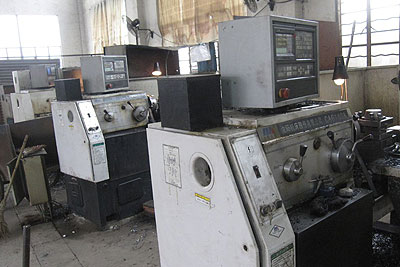
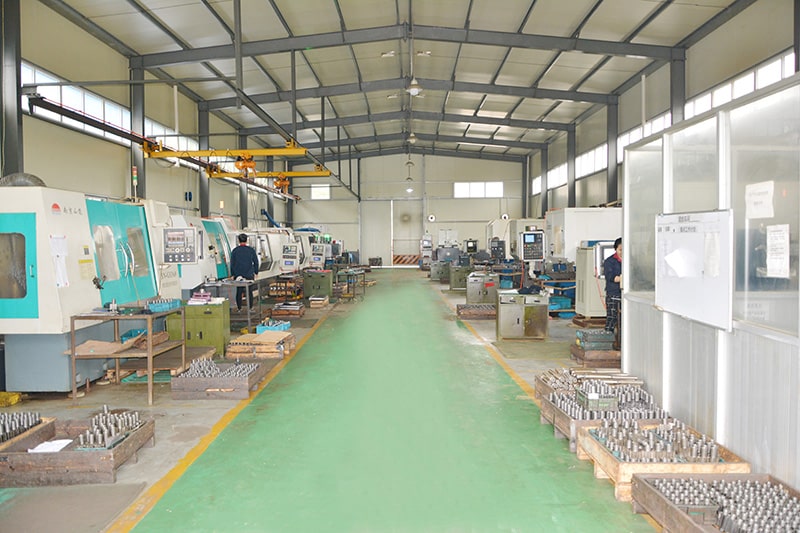
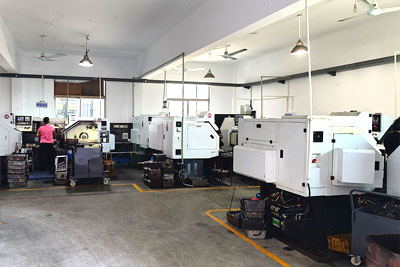
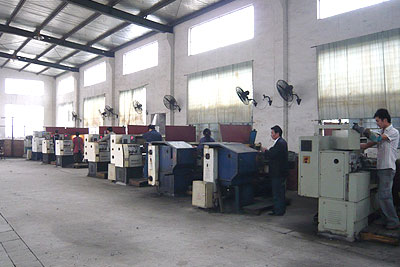
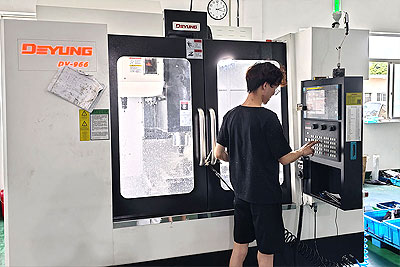
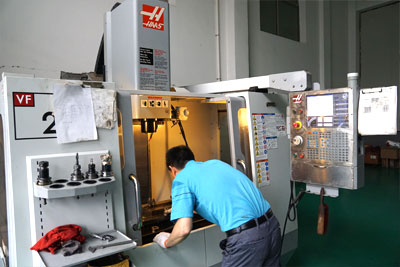
The same workshop machines and inspects our other drivetrain and suspension lines, so a reverse chain program can be quoted alongside the rest of a Polaris parts range instead of being sourced separately. If you want to see the equipment first, the factory tour covers the workshops directly.
At SYZ Machine we provide support at all times. Three steps to start.
Send your request with the details: target platform, OE part number or photos of the existing chain and sprockets, quantity, and whether you need chain-only or a complete set. Share the idea even if the spec is not finalised yet.
We work out the best solution based on your request — confirming chain width, tooth count and material — and send a specific quote within 24 hours. NDA can be signed first for private-label development.
Sample approval, production with 100% inspection, packing and export documentation. Whether it is before or after the sale, our engineers and sales team are always here to support you.
Send us your reverse chain requirement and get technical feedback plus a factory quote within 24 hours.
What buyers and distributors ask most often before placing a first reverse chain order.
Our reverse chain is built to roughly twice the strength of the OE part. The gain comes from the double-row chain design plus chromoly sprockets and shaft that are heat treated as a set — upgrading the chain alone would just relocate the weak point onto the sprocket teeth.
Because reverse runs through a single chain with no parallel gear path sharing the load. Normal driving is fine; the failures cluster around backing out of mud or ruts under throttle, reversing while the suspension is bound against an obstacle, and machines running oversized tires that raise driveline torque beyond what the chain was sized for.
Chain-driven reverse is used on many RZR XP 1000 / XP 4 1000, RZR 900, Ranger and General configurations, but Polaris has also used geared reverse on some newer or higher-output transmissions. Because drivetrain architecture can change by model year and edition, confirm by OE part number, parts diagram or photos rather than model name alone.
Both configurations are available. Chain-only suits replacement programs where the sprockets are still serviceable, while the complete set — chain, sprockets and shaft — is the stronger upgrade and the usual choice for a branded heavy-duty kit. Tell us how your customers buy it and we will quote accordingly.
The target platform plus either the OE part number from the existing chain or clear photos of the chain and both sprockets with the case open. Chain width and sprocket tooth count both vary between editions, so those two details prevent the most common ordering mistake. Add your quantity and whether you need private-label packaging.
Yes. Send a physical OE sample, a drawing, or the target machine details and our engineers will reverse-engineer the chain and sprocket set, confirm material and heat treatment, and quote the program. This is standard OEM/ODM work for us and can be done under NDA before any drawings change hands.
We work with low MOQ so distributors can trial a SKU before scaling, and our gear line runs at roughly 400 pieces per day, which supports repeat programs comfortably. Exact MOQ and lead time depend on whether the part is a catalogue item or new development — both are confirmed with the quote, and our target for that quote is 24 hours.
Yes. We accept OEM and customized work under NDA, including private-label packaging and branding. We have supplied famous aftermarket brands for years on exactly this basis, so the process from sample approval to repeat production is well established.
The consistent advice from experienced owners is simple: do not force reverse when the machine is bogged or bound. If you are sunk in a mud hole, use the winch or a tow rather than hammering it backwards under throttle. That single habit accounts for a large share of the failures — and it matters more the bigger your tires are.
Share your platform, OE part number or photos, and quantity. We promise to respond within 24 hours.